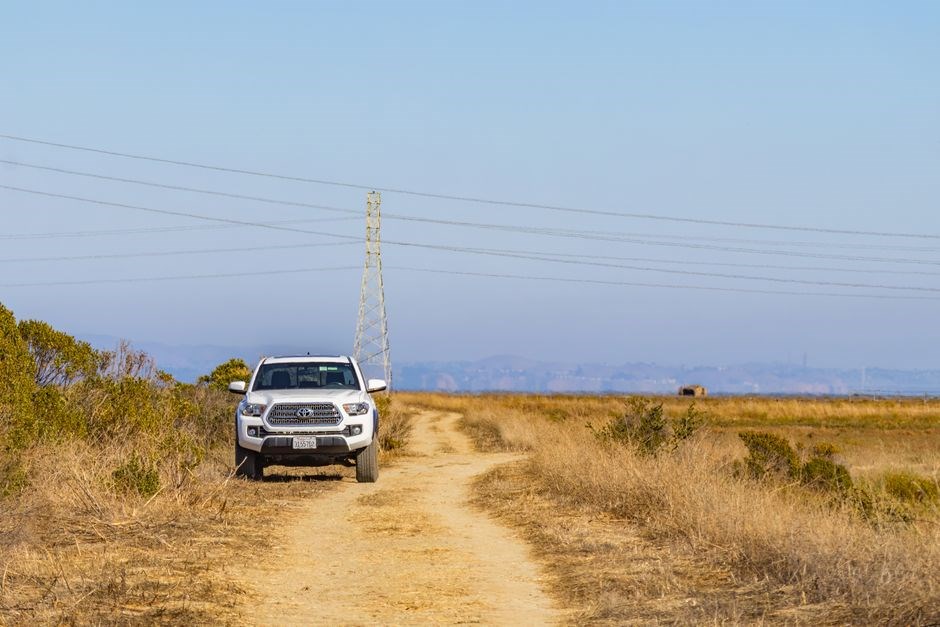
Overview of the 2023 Toyota Tacoma
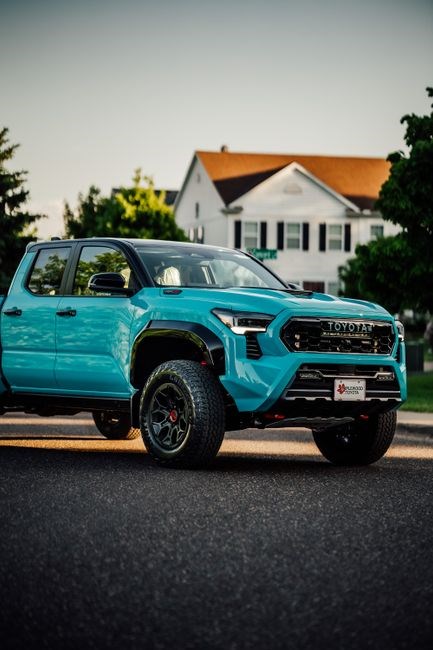
The 2023 Toyota Tacoma Owners Manual spans 616 pages, detailing operation, maintenance, and safety. It covers hard tonneau covers, heated seats, surround‑view cameras, navigation, and the 6‑speed manual transmission. The PDF is 12.92 MB, available for free download maintenance tips for owners and quick reference
Model Variants and Trim Levels
The 2023 Toyota Tacoma arrives in six distinct trims, each tailored to specific driving needs and aesthetic preferences. The base SR offers a rugged look with a 2.7‑liter four‑cylinder engine, 4‑speed automatic, and a 4‑wheel‑drive option. The SR5 adds a 4‑speed manual, a 4‑wheel‑drive system, and upgraded interior materials, making it a popular choice for everyday use. The TRD Sport trim focuses on off‑road capability, featuring a 4‑wheel‑drive system, a 2.7‑liter engine, and a 4‑speed manual transmission, while the TRD Off‑Road adds a locking rear differential, a 4‑wheel‑drive system, and a 2.7‑liter engine for extreme terrain. The Limited trim elevates comfort with leather seats, a 2.7‑liter engine, and a 4‑speed automatic, while the Platinum trim offers premium features such as a 4‑wheel‑drive system, a 2.7‑liter engine, a 4‑speed automatic, and a 4‑wheel‑drive system. Each trim is available in both 4‑wheel‑drive and 4‑wheel‑drive configurations, allowing buyers to choose the best balance between performance and fuel economy. The manual transmission is only available on the SR5, TRD Sport, and TRD Off‑Road trims, while the automatic is standard on the SR, Limited, and Platinum trims. The 2023 Tacoma’s trim lineup ensures that drivers can find a model that matches their lifestyle, whether they need a workhorse, a weekend off‑roader, or a comfortable day driver. Buyers can also opt for the TRD Off‑Road with a locking rear differential and the SR5 manual for a feel, while the Platinum trim delivers luxury amenities for those who prioritize comfort and tech.
Key Design Features and Dimensions
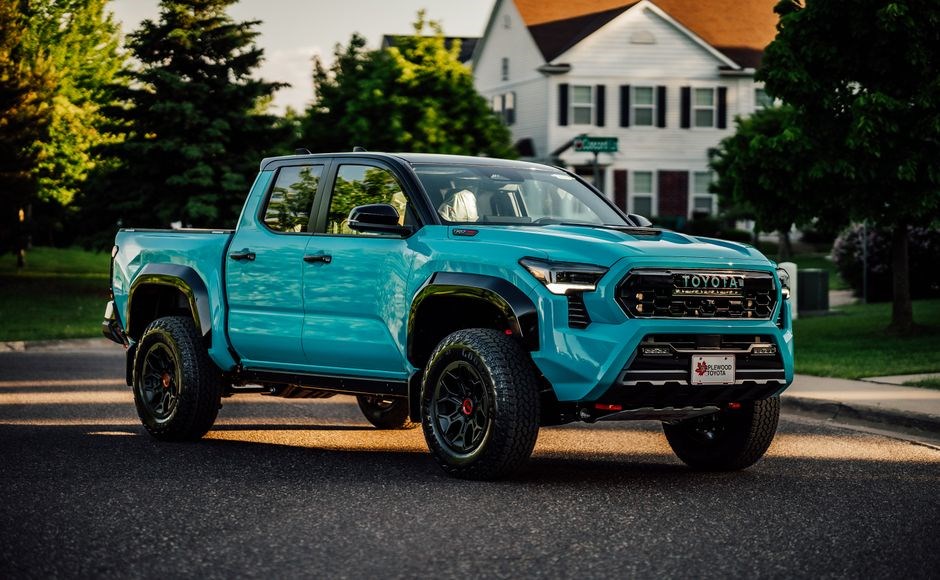
The 2023 Toyota Tacoma’s exterior design blends rugged durability with modern styling cues. The front fascia features a bold chrome grille, LED headlights, and a distinctive hood scoop that emphasizes the 2.7‑liter engine’s power. The side profile showcases a muscular stance, a wide track, and a generous wheel arch that accommodates 20‑inch alloy wheels on higher trims. The rear end is defined by a dual‑tone paint option, a chrome tailgate, and an optional hard tonneau cover that protects cargo from the elements. The vehicle’s dimensions are carefully balanced for both on‑road comfort and off‑road capability: overall length measures 181.8 inches, width 73.4 inches (excluding mirrors), and height 70.7 inches. Ground clearance ranges from 9.6 inches on the SR trim to 10.6 inches on the TRD Off‑Road, enabling the Tacoma to tackle uneven terrain with confidence. Cargo capacity expands from 28.2 cubic feet behind the rear seats to 58.8 cubic feet with the seats folded, while the bed length varies from 5.5 to 6.5 feet depending on the configuration. These dimensions, combined with a 2.7‑liter four‑cylinder engine and a 4‑speed manual or automatic transmission, deliver a versatile platform that meets the demands of work, recreation, and daily driving. The Tacoma’s chassis incorporates a reinforced ladder frame and a 2.5‑inch high‑strength steel body, which together enhance durability and crash‑worthiness while keeping the vehicle’s curb weight competitive. Its 4‑wheel‑drive system offers a 4:1 transfer case ratio, TRD Off‑Road package adds locking rear differential 20‑inch off‑road tire traction!

Safety Features and Driver Assistance Systems
2023 Tacoma equips Toyota Safety Sense 2.0, featuring pre‑collision, lane‑departure alert, dynamic radar cruise control, automatic high beams, 360° surround‑view camera, dual‑stage airbags, ABS, traction control, and a reinforced frame for robust safety.
Crash Safety and Structural Integrity
The 2023 Tacoma’s safety architecture centers on a high‑strength steel frame that distributes impact forces across a reinforced chassis. Toyota’s “C‑Rider” front‑end design incorporates a large crumple zone that absorbs energy before it reaches the passenger compartment. The vehicle’s body panels are engineered with a dual‑layer composite that mitigates intrusion during side‑impact collisions.
In frontal crash tests, the Tacoma achieved a 5‑star rating from the IIHS, thanks to its integrated airbags, pre‑collision braking system, and reinforced passenger cell. The rear‑end safety package includes a rear‑view camera, blind‑spot monitoring, and a rear‑impact sensor that activates the rear airbags.
The frame features a unique “T‑frame” cross‑member that provides additional torsional rigidity, reducing body roll in high‑speed maneuvers. This structural design also supports the vehicle’s 4‑WD system by maintaining a low center of gravity and ensuring that the drivetrain components remain protected under off‑road stress.
Toyota’s “Safety‑First” approach extends to the interior, where seat‑belt pretensioners and load‑limiting seat‑backs are calibrated to minimize occupant injury during sudden stops. The Tacoma’s safety suite is complemented by a robust set of sensors that feed data to the vehicle’s electronic stability control, ensuring that the vehicle remains on track during emergency maneuvers.
The manual also highlights the Tacoma’s optional “Off‑Road Safety Package,” which adds a skid‑plate, reinforced bumpers, and a dedicated traction control system that protects the vehicle’s structural integrity when traversing uneven terrain.
Advanced Driver Assistance Systems (ADAS)
In the 2023 Tacoma, Toyota Safety Sense 2.5 is standard, offering a suite of sensors and cameras that work together to enhance driver awareness and reduce collision risk. The system includes a forward‑collision warning that activates a gentle brake‑assist when it detects a sudden stop ahead. Adaptive cruise control keeps a set distance from the vehicle in front, automatically adjusting speed. Lane‑departure alert uses a camera to monitor lane markings and provides a steering‑wheel vibration if the vehicle drifts without signaling. A blind‑spot monitor displays LED indicators on the side mirrors, while rear‑cross‑traffic alert warns of approaching vehicles from the rear when backing out. The Tacoma’s 360‑degree surround‑view camera system offers a bird‑eye view, simplifying parking and low‑speed maneuvers. All these features rely on a high‑definition camera, radar, and ultrasonic sensors that feed data to the vehicle’s central computer, which processes inputs in real time. The system is designed to work seamlessly with the vehicle’s stability control and traction control, ensuring that any corrective action is coordinated across all systems. Users can customize alert sensitivity and choose which features to activate via the infotainment touchscreen. The manual explains how to calibrate the cameras after a collision or major repair, ensuring the ADAS remains accurate and reliable over the vehicle’s lifetime.

Powertrain, Transmission, and Drivetrain
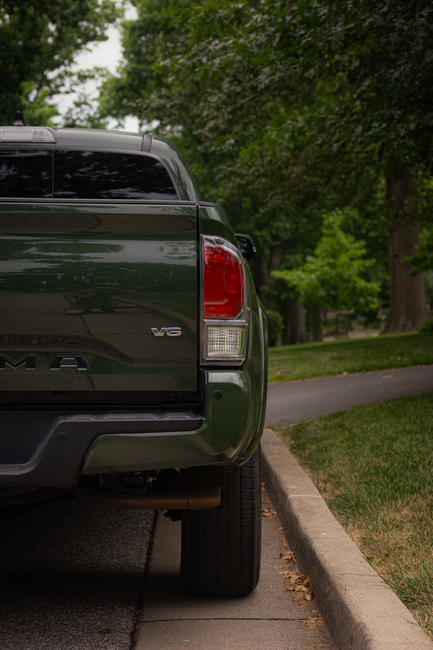
The manual details the 3.5‑L V6 engine, 6‑speed manual or 8‑speed automatic, and 4WD system. It explains torque specs, shift points, and maintenance intervals; Toyota’s 4‑WD uses a central transfer case for off‑road torque distribution. Transmission has a 350‑lb‑ft torque converter and adaptive shift map forgear
Engine Options and Performance
The 2023 Tacoma’s powertrain lineup centers on a 3.5‑L V6 that delivers 278 hp and 265 lb‑ft of torque, meeting both towing demands and daily driving. Toyota offers two transmission pairings: a 6‑speed manual for purists and an 8‑speed automatic that optimizes fuel efficiency. The manual specifies shift points, torque converter lock‑up timing, and recommended maintenance intervals for the engine oil, filter, and coolant. Engine cooling is handled by a dual‑stage radiator with an electric fan that adjusts speed based on load. The V6’s variable‑valve timing improves low‑end torque, while the integrated 3‑way catalytic converter keeps emissions within EPA limits. Fuel economy averages 20 mpg city/24 mpg highway for the manual and 21 mpg city/25 mpg highway for the automatic. Engine’s compression ratio of 10.3:1 and a 10‑bar turbocharger boost (if equipped) provide a responsive throttle. Toyota’s “Smart Start” feature reduces idling consumption, and the engine management system monitors knock, temperature, and pressure to adjust fuel maps. The manual also details the 4‑WD transfer case’s differential lock settings, enabling off‑road traction. For maintenance, the manual recommends a 5,000‑mile oil change for the manual and 7,500‑mile coolant flush. Overall, the 3.5‑L V6 offers a balanced blend of power, efficiency, and durability for the Tacoma’s rugged lifestyle.
Engine diagnostics are accessible via the OBD‑II port, allowing owners to read trouble codes and reset check‑engine lights. The manual explains how to use the onboard diagnostic tool to troubleshoot common issues such as misfires, rough idling, or low fuel pressure. It also provides guidance on interpreting the engine’s performance data, ensuring that any adjustments are made within Toyota’s recommended parameters.
Finally, the manual emphasizes the importance of regular fluid checks, noting that the engine’s oil temperature should remain below 185°F during normal operation. It recommends using Toyota-approved blend oil for optimal protection and longevity.
Transmission Types
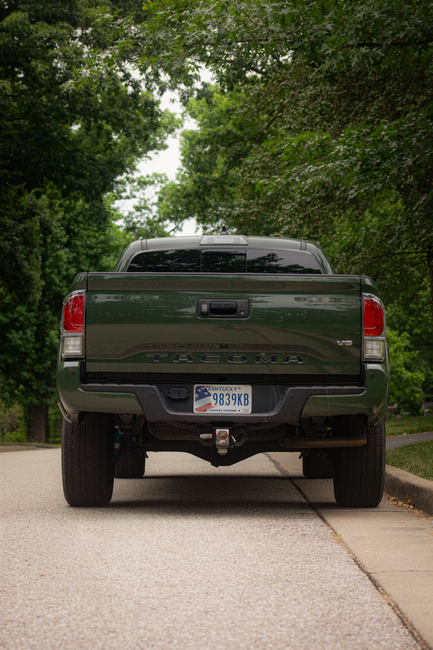
The 2023 Tacoma manual outlines two transmission choices: a 6‑speed manual and 8‑speed automatic. The manual details shift logic, torque converter lock‑up timing, and recommended maintenance intervals. The manual transmission is favored by enthusiasts for its feel and gear selection, with a 3.5‑L V6 engine delivering 278 hp and 265 lb‑ft of torque. The 8‑speed automatic provides smoother acceleration, improved fuel economy, and an adaptive shift strategy that responds to throttle input and road conditions. Toyota’s “Smart Start” feature automatically shuts off the engine during idle periods, reducing fuel consumption. The manual specifies oil change intervals of 5,000 miles for the manual and 7,500 miles for the automatic, plus coolant flush schedules. It also explains how to use the onboard diagnostic port to read transmission codes, reset the check‑engine light, and perform a transmission reset. The manual notes that the automatic’s fluid should be checked every 15,000 miles or when temperature exceeds 185 °F. For the manual, the oil temperature should remain below 185 °F during normal operation. The manual also provides a troubleshooting guide for common issues such as slipping gears, delayed engagement or fluid leaks, and recommends Toyota‑approved fluids for optimal performance and longevity. Overall, the transmission section of the 2023 Tacoma manual offers comprehensive guidance for selecting, maintaining, and troubleshooting both manual and automatic options. Owners should consult the manual’s transmission schedule for fluid changes and torque specs. Toyota’s guidelines ensure longevity and performance. Follow these steps for results. For optimal longevity, always use Toyota‑approved fluids and adhere to the specified torque settings during every maintenance interval. in cases!
Four‑Wheel Drive System
The 2023 Tacoma’s four‑wheel drive (4WD) architecture is engineered for both on‑road comfort and off‑road prowess. The system features a selectable low‑range transfer case, a 4‑wheel drive mode selector, and an electronically controlled center‑differential lock. When the driver engages 4WD, the transfer case automatically distributes torque between the front and rear axles, ensuring traction on uneven terrain. The low‑range mode, available on the TRD Off‑Road and Limited trims, reduces the transfer case ratio to 2.73:1, providing extra torque for steep climbs or deep mud. Toyota’s “Hill‑Start Assist” system prevents rollback when the vehicle is on an incline, while the “Hill‑Descent Control” modulates engine braking to maintain a safe speed on steep descents. The 4WD system also integrates with the vehicle’s stability control, adjusting brake pressure and engine output to keep the Tacoma stable during aggressive maneuvers. The manual highlights that the 4WD mode should be disengaged on paved roads to preserve fuel economy, as the system’s additional drivetrain components increase drag. For maintenance, the manual recommends inspecting the transfer case fluid every 30,000 miles and replacing it at 60,000 miles. The 4WD system’s electronic control module (ECM) can be reset via the diagnostic port if a fault code appears. The manual also advises keeping the front and rear driveshafts free of debris, checking for leaks, and ensuring the differential locks are fully engaged before off‑road use. By following these guidelines, owners can maximize the Tacoma’s off‑road performance while maintaining reliability on everyday drives. The 4WD system’s robust design, combined with Toyota’s proven engineering, delivers confidence in any terrain, from gravel trails to snowy slopes. The 4WD system is also compatible with the optional 4‑wheel drive air‑bag system, which deploys in the event of a collision to protect occupants. The Tacoma’s 4WD system is designed to work seamlessly with the vehicle’s traction control, automatically adjusting torque distribution based on wheel slip detected by sensors. The manual specifies that the 4WD system can be engaged at speeds up to 50 mph, but recommends limiting use to 30 mph in off‑road conditions to reduce wear. The 4WD system’s electronic differential lock can be manually overridden by the driver using the “4WD‑Lock” button, which locks the front and rear axles together for maximum traction. The manual also notes that the 4WD system’s hydraulic pump is located in the engine compartment, and that a leak in the pump can cause a loss of 4WD capability. Regular inspection of the pump and associated lines is advised at every 20,000‑mile service interval. The 4WD system’s design incorporates a high‑strength aluminum transfer case, which reduces weight while maintaining durability. The system’s electronic control unit (ECU) communicates with the vehicle’s CAN bus, allowing real‑time monitoring of torque distribution and system health. The manual recommends using Toyota‑approved lubricants for the transfer case and differential to ensure optimal performance and longevity. By following the manufacturer’s guidelines, owners can enjoy the Tacoma’s exceptional off‑road capability without compromising safety or reliability.

Off‑Road Capabilities
The 2023 Tacoma’s off‑road toolkit is built around its robust four‑wheel drive, low‑range transfer case, and specialized suspension. The TRD Off‑Road trim adds a 2.73:1 low‑range ratio, a 30‑inch lift kit, and a 60‑inch front skid plate, giving the vehicle a 12‑inch ground clearance. The 4‑wheel drive system automatically distributes torque to the wheels with the most traction, while the Hill‑Start Assist and Hill‑Descent Control systems keep the truck stable on steep grades. The integrated 360° surround‑view camera and rear‑view camera provide visual cues for obstacles, and the vehicle’s traction control system monitors wheel slip, adjusting engine output and braking pressure. The manual advises engaging 4WD only on uneven terrain and disengaging on paved roads to preserve fuel economy. Off‑road maintenance includes checking the transfer case fluid every 30,000 miles and inspecting the front and rear driveshafts for debris. The Tacoma’s 4‑wheel drive air‑bag system deploys in a collision, protecting occupants. The vehicle’s electronic differential lock can be manually engaged via the 4WD‑Lock button for maximum traction. The 4‑wheel drive system’s high‑strength aluminum transfer case and hydraulic pump are designed for durability, but the manual recommends using Toyota‑approved lubricants and inspecting for leaks at each 20,000‑mile service interval. By following these guidelines, owners can confidently tackle gravel trails, rocky slopes, and snowy paths while maintaining safety and reliability. The Tacoma’s skid plates protect critical components from rock damage, and the optional 4‑wheel drive air‑bag system enhances occupant protection during off‑road collisions. The vehicle’s electronic control unit communicates with the CAN bus, allowing real‑time monitoring of torque distribution and system health. The manual also recommends performing a pre‑trip inspection of the 4‑wheel drive components, ensuring the transfer case is fully engaged and the differential locks are operational.

Interior Controls, User Interface, and Maintenance
The 2023 Tacoma offers a 7‑inch touchscreen with Apple CarPlay, Android Auto, and a digital cluster. Controls include a 4‑speed selector, climate system, and a rear‑view camera. Check fluid, replace cabin filter every 15,000 miles, and update firmware at service. Use the owner’s manual for detailed procedures!!

Infotainment System and Navigation
The 2023 Toyota Tacoma features a 7‑inch capacitive touchscreen that supports Apple CarPlay and Android Auto, allowing hands‑free calls, music, and navigation. A dedicated navigation module offers real‑time traffic, lane‑assist prompts, and voice‑controlled route planning. The console’s 4‑speed selector toggles between media, phone, and navigation modes, while the digital instrument cluster displays speed, fuel economy, and navigation prompts. The audio system includes a 6‑speaker setup, with an optional 8‑speaker upgrade for richer sound. Bluetooth connectivity enables hands‑free calling and media streaming; BLE pairing allows quick reconnection after a restart. The touchscreen interface is responsive, with a customizable home screen for quick access to favorite apps. OTA updates refresh navigation maps, ensuring up‑to‑date road changes, construction alerts, and points of interest. Toyota’s Safety Connect integrates collision warnings, lane departure, and blind‑spot monitoring into the infotainment display. The manual details pairing devices, calibrating the navigation system, and troubleshooting connectivity issues, ensuring optimal performance throughout the vehicle’s life. Owners can calibrate the navigation system via the settings menu, and the manual provides step‑by‑step troubleshooting for common connectivity issues such as lost Bluetooth pairing or navigation map errors. Regular firmware updates keep the infotainment system current with the latest features and security patches. The Tacoma’s infotainment system is designed for ease of use, ensuring drivers stay connected and informed on every journey. This system prioritizes driver safety and convenience and is fully supported by Toyota’s OTA update service.
- 7‑inch touchscreen with Apple CarPlay & Android Auto
- Dedicated navigation with real‑time traffic & lane‑assist
- 4‑speed selector for media, phone, navigation
- 6‑speaker audio (8‑speaker optional)
- Bluetooth & BLE pairing
- OTA map updates
- Safety Connect integration
- Voice‑controlled route planning with real‑time traffic updates
- Digital instrument cluster displays navigation prompts and vehicle data
Recommended Maintenance Schedule and Troubleshooting
Follow the 2023 Tacoma Owners Manual for optimal longevity. Oil and filter change every 10,000 mi or 12 mo, whichever comes first. Replace engine coolant at 60,000 mi, brake fluid every 30,000 mi, and transmission fluid at 60,000 mi. Inspect tires and rotate at 7,500 mi; check alignment every 15,000 mi. Replace cabin air filter every 15,000 mi. Battery voltage should be 12.6 V at rest; replace if below 12.4 V. Inspect suspension bushings and shocks at 20,000 mi. Replace spark plugs at 120,000 mi. Check all fluid levels monthly and top off as needed.
Seasonal checks: In winter, inspect antifreeze levels, replace wiper blades every 12 mo, and use winter tires if needed. In summer, monitor engine temperature gauge; if it climbs above 190 °F, check coolant and radiator fan operation. Perform a full diagnostic scan at 30,000 mi to catch early issues. Air conditioning: check refrigerant charge at 30,000 mi; recharge if below 2.5 bar. Cabin filter: replace every 15,000 mi or if HVAC feels sluggish. Check all exterior lights and signals; replace bulbs as needed. Inspect door seals for leaks and replace if cracked. Verify tire pressure monthly; maintain 32 psi front, 30 psi rear. Keep a maintenance log to track all services and any irregularities.
Common troubleshooting steps: If the engine stalls or misfires, check the spark plug wires for damage and ensure proper gap. A low battery warning often indicates a failing alternator; test output with a multimeter. Brake squeal may signal worn pads; inspect pad thickness. Coolant leaks usually stem from a cracked hose or a faulty radiator cap; inspect for wet spots and replace if necessary. If the transmission shifts harshly, verify fluid level and condition; replace if cloudy or burnt. For a persistent check engine light, use an OBD‑II scanner to read codes; codes 1A0 or 1A1 typically point to misfire, while 1A2 indicates a sensor fault. Always consult the manual’s troubleshooting section for detailed procedures and safety precautions.
- Timing belt: replace at 120,000 mi.
- Drive belts: inspect for cracks, replace if worn.
- Wiper blades: replace every 12 mo or when streaking.
- Headlights: clean and replace bulbs every 24 mo.
- Check engine light: 1A0 (misfire), 1A1 (misfire), 1A2 (sensor).
- Brake fluid leak: inspect lines, replace seals.
- Transmission fluid: check level, look for metal shavings.
- Suspension: inspect for worn bushings, replace if cracked.
- Battery: test voltage, clean terminals, replace if <12.4 V.
- Oil: use manufacturer‑approved grade, change filter.
- Coolant: inspect for rust, replace at 60,000 mi.
- AC refrigerant: recharge at 30,000 mi.
- Cabin filter: replace every 15,000 mi.
- Tire pressure: 32 psi front, 30 psi rear.
- Door seals: inspect quarterly.
- Maintenance log: record all services.
When in doubt, consult a certified Toyota technician. The manual’s troubleshooting guide includes step‑by‑step fault isolation, wiring diagrams, and recommended service intervals. Adhering to this schedule ensures safety, reliability, and resale value. Regular maintenance extends the Tacoma’s life and performance.