
Raid Fogger Instructions: A Comprehensive Guide
Raid foggers, like the Max No Mess Dry Fogger and Deep Reach versions, offer a potent solution for widespread pest control within homes and various structures․
These products, often available in value packs, utilize a fogging action to penetrate hard-to-reach areas, effectively targeting ants, roaches, and other common household insects․
Proper use requires careful preparation, including extinguishing flames, removing occupants and pets, and covering food surfaces, ensuring a safe and effective treatment process․
Understanding Raid Foggers
Raid foggers represent a popular method for broad-spectrum pest elimination within enclosed spaces․ These aerosol products release a pesticide mist designed to permeate areas inaccessible through conventional spraying, targeting hidden insect infestations․ Understanding their functionality is crucial for safe and effective application․
The core principle behind Raid foggers lies in dispersing insecticide particles throughout a room or structure․ This widespread distribution aims to reach insects concealed within cracks, crevices, and behind furniture․ Different formulations cater to specific needs; for instance, the Raid Max No Mess Dry Fogger prioritizes a residue-free application, while the Deep Reach Fogger focuses on penetrating deeper into harborage areas․
However, it’s important to acknowledge that foggers don’t offer lasting protection․ The dispersed insecticide lacks residual effect, meaning it eliminates insects upon contact but doesn’t prevent re-infestation․ Therefore, fogging is often best suited as a rapid knockdown treatment, potentially combined with other pest control strategies for long-term management․ Careful consideration of these factors is essential before opting for a fogger solution․
What is a Raid Fogger?
A Raid fogger is a self-contained aerosol dispensing system designed to release a pesticide mist into a room or enclosed area․ It’s a whole-room pest control solution intended to eliminate common household insects like ants and roaches, particularly those hidden in hard-to-reach places․ The product utilizes a pressurized canister containing insecticide and a propellant, creating a fog that distributes the pesticide throughout the treated space․
Unlike targeted sprays, foggers don’t directly aim at visible pests․ Instead, they rely on the fog’s ability to permeate cracks, crevices, under furniture, and inside cabinets․ This makes them useful for addressing widespread infestations where the exact location of insects is unknown․ Raid offers various types, including dry foggers that leave minimal residue, like the Max No Mess version․
Activation typically involves a simple press-and-release mechanism, initiating the aerosol release․ However, proper usage necessitates strict adherence to safety guidelines, including evacuating the area and ensuring adequate ventilation post-treatment․ It’s a powerful tool, but requires responsible application․

Types of Raid Foggers Available
Raid offers a selection of foggers tailored to different needs and preferences, primarily differing in their formulation and residue characteristics․ The Raid Max No Mess Dry Fogger is a popular choice, utilizing a dry fog technology that minimizes post-treatment residue, making it suitable for kitchens and living areas where surface cleanliness is paramount․
Conversely, the Raid Deep Reach Fogger is designed to penetrate deeper into cracks and crevices, offering a more thorough treatment for stubborn infestations․ This type may leave a slight residue, but its enhanced reach can be beneficial in areas with significant pest activity․ Value packs, containing multiple 6oz cans, provide cost-effective solutions for larger homes or recurring pest problems․
Scent options, like lemon-scented formulas, are also available to help mask the chemical odor associated with fogging․ Choosing the right Raid fogger depends on the severity of the infestation, the desired level of residue, and the specific areas needing treatment․
Raid Max No Mess Dry Fogger
The Raid Max No Mess Dry Fogger distinguishes itself through its innovative, non-residue formula․ This dry fog technology effectively penetrates deep into harborage areas – under furniture, inside appliances, and within wall voids – to eliminate hidden pests․ It’s particularly well-suited for use in sensitive areas like kitchens, living rooms, and bedrooms where avoiding messy residues is crucial․
Activation involves a simple press-down mechanism on the sprayer pad until it snaps into place, followed by immediate evacuation of the treated area․ The fogger is designed to be placed on a covered stand to prevent staining or damage to surfaces․ Its formulation targets common household pests, including ants and roaches, offering broad-spectrum control․
Despite its powerful action, the “no mess” aspect simplifies post-treatment cleanup, reducing the need for extensive wiping or surface cleaning․ However, thorough ventilation remains essential to dissipate the fog and ensure a safe re-entry environment․
Raid Deep Reach Fogger
The Raid Deep Reach Fogger is engineered for comprehensive pest control, specifically designed to penetrate into challenging areas often missed by conventional sprays․ This fogger excels at reaching under appliances, behind furniture, and into cracks and crevices where pests commonly hide and breed, offering a more thorough treatment․
Like other Raid foggers, proper preparation is paramount․ This includes turning off all flames and pilot lights, removing all people and pets from the premises, and diligently covering all food items and food preparation surfaces․ The Deep Reach formula aims to eliminate pests on contact, providing a rapid knockdown effect․
Post-application, adequate ventilation is critical to ensure the dissipation of the fog and to allow for safe re-entry․ While effective, some users note that foggers, in general, may not provide lasting residual control, necessitating follow-up treatments or integrated pest management strategies․

Preparing for Raid Fogger Use
Prior to application, meticulous preparation is crucial for safety and efficacy․ This involves extinguishing all flames, removing occupants and pets, and covering food items thoroughly․
Ensure proper ventilation and avoid using the fogger in confined spaces like closets․
Safety Precautions Before Use
Before initiating Raid fogger application, prioritizing safety is paramount․ A critical first step involves turning off all flames and pilot lights within the treatment area – this includes gas appliances, stoves, water heaters, and any other source of ignition․ Failure to do so could result in a fire or explosion due to the flammable propellant used in the fogger․
Thoroughly cover all food items, cooking utensils, and food preparation surfaces with plastic sheeting or remove them entirely from the area․ This prevents contamination and ensures food safety․ Protect countertops, dishes, and any surfaces where food might come into contact․
Remove all people, pets – including birds, fish, and reptiles – and houseplants from the premises․ Exposure to the fog can be harmful to their health․ Ensure everyone understands the importance of staying away during and immediately after the fogging process․ Consider the well-being of all living creatures within the treated space․
Avoid using the fogger in small, confined areas such as closets, cabinets, or under counters and tables․ These spaces lack adequate ventilation, potentially leading to a dangerous concentration of the fog․ Proper airflow is essential for safe and effective application․
Turning Off Appliances and Pilot Lights
A crucial safety measure before deploying a Raid fogger is the complete shutdown of all appliances with flames or pilot lights․ This isn’t merely a recommendation; it’s a necessity to prevent potential fires or explosions․ The aerosol propellant within the fogger is highly flammable and can ignite if it comes into contact with an open flame․
Specifically, extinguish pilot lights on gas stoves, ovens, water heaters, and furnaces․ Disconnect any electrical appliances that might create a spark, though the primary concern is open flames․ Ensure gas valves are turned off at the source, not just at the appliance itself, for maximum safety․
Double-check all potential ignition sources․ Even seemingly innocuous items like candles or cigarette lighters should be removed or extinguished․ A thorough sweep of the area is vital․ Remember, the fog will disperse throughout the entire space, reaching even hidden corners․
After the fogging process and adequate ventilation, carefully relight pilot lights according to the appliance manufacturer’s instructions․ Do not attempt to relight them immediately; allow sufficient time for the propellant to dissipate completely․
Removing People and Pets
Prior to activating a Raid fogger, the complete removal of all people and pets from the treatment area is absolutely paramount․ This isn’t a suggestion; it’s a non-negotiable safety requirement․ The fog emitted contains insecticides that can be harmful if inhaled or if they come into contact with skin or eyes․
This includes not only humans and common household pets like cats and dogs, but also birds, fish, reptiles, and small mammals․ Ensure everyone, including children, leaves the premises before initiating the fogging process․ Consider neighbors if you live in a multi-unit dwelling, as the fog can potentially drift․
The duration of evacuation should extend beyond the initial fogging period; Re-entry is only permitted after the area has been thoroughly ventilated, and any lingering aerosols or mists have completely dissipated․ Refer to the product label for specific re-entry time guidelines․
Protecting vulnerable individuals is especially important․ If someone has respiratory issues, allergies, or a compromised immune system, ensure they remain away from the treated area for an extended period․
Covering Food and Surfaces
Thorough preparation of the treatment area is crucial before deploying a Raid fogger, and this includes diligently covering all food items and food-preparation surfaces․ Any food left exposed will inevitably become contaminated by the insecticide and must be discarded․
This extends to all edibles, including uncovered dishes, fruits, vegetables, and even pet food․ Seal food in airtight containers or remove it entirely from the area․ Countertops, stovetops, and any surface where food is prepared should be covered with plastic sheeting or clean cloths․
Beyond food, protect delicate surfaces that could be damaged by the fog․ This includes electronics, polished furniture, and artwork․ While the “no mess” formulas minimize residue, it’s best to err on the side of caution․
Remember to also cover dishes, utensils, and cooking equipment․ After treatment and ventilation, these surfaces will need to be thoroughly cleaned before being used again, but covering them initially minimizes direct contact․

Using the Raid Fogger
Activating the Raid fogger involves firmly pressing the sprayer pad until it locks, then placing it on a covered stand in the center of the area․
Immediately evacuate, ensuring all occupants and pets are outside until the fog dissipates and the area is thoroughly ventilated for safe re-entry․
Activating the Fogger
The activation process for a Raid fogger is a crucial step, demanding careful attention to ensure both effectiveness and safety․ Begin by firmly pressing down on the sprayer pad until you hear a distinct snap, indicating it’s securely locked into place․ This action releases the fogging agent, initiating the pest control process․
Before activating, ensure the fogger is positioned correctly – ideally on a covered stand or protective surface to prevent any potential residue from settling directly onto floors or furniture․ Avoid placing it under tables or within confined spaces like cabinets, as this hinders the fog’s ability to circulate effectively throughout the entire treated area․
Once activated, the fogger will automatically discharge its contents, creating a widespread mist designed to penetrate cracks, crevices, and other hard-to-reach areas where pests commonly hide․ It’s vital to immediately evacuate the premises after activation, as exposure to the fog can be harmful to humans and animals․ Remember, proper activation is the cornerstone of a successful fogging treatment․
Proper Fogger Placement
Strategic placement of the Raid fogger is paramount for maximizing its effectiveness․ Avoid positioning the fogger in small, confined areas such as closets, cabinets, or underneath furniture like tables and counters․ These spaces restrict the fog’s circulation, preventing it from reaching all potential pest harborage points within the structure․

Instead, opt for central, open locations within the room or area you intend to treat․ Placing the fogger on a covered stand or protective surface is highly recommended․ This prevents any potential residue from directly contacting and potentially damaging floors or furniture․ Ensure the stand is stable to avoid accidental tipping during the fogging process․
Consider the size of the area being treated; larger spaces may benefit from multiple foggers strategically positioned to ensure comprehensive coverage․ Remember, the goal is to allow the fog to disperse evenly, reaching all corners and crevices where pests might be hiding, thus optimizing the treatment’s success․
Evacuating the Premises
Following fogger activation, immediate and complete evacuation of the treated area is absolutely crucial․ This includes all human occupants, pets – encompassing birds, fish, reptiles, and mammals – and any individuals sensitive to the fog’s chemical composition․ Failure to evacuate poses significant health risks due to inhalation of the aerosolized insecticide․
Ensure all windows and doors are closed before activating the fogger to contain the dispersal and maximize its reach․ Once the fogging process is initiated, do not re-enter the premises until a sufficient re-entry time has elapsed, typically several hours, and the area has been thoroughly ventilated․
During the evacuation period, avoid any unnecessary exposure to the treated area․ Consider spending time elsewhere to minimize potential inhalation of residual vapors․ Upon returning, prioritize adequate ventilation by opening windows and doors to allow fresh air to circulate, effectively dissipating any lingering insecticide particles․
Post-Application Ventilation
Thorough ventilation is paramount following Raid fogger application, serving as the primary method for dissipating residual insecticide and ensuring a safe re-entry environment․ Immediately after the designated waiting period, open all windows and doors to create maximum cross-ventilation․ Utilize fans strategically positioned to circulate air and expedite the removal of lingering aerosols and vapors․
Continue ventilating the treated space for a minimum of 30 minutes, and ideally for several hours, depending on the size of the area and the initial fogger concentration․ This process is critical for reducing inhalation exposure and minimizing potential health effects․
Even after initial ventilation, maintain good airflow in the treated area for several days to fully eliminate any residual odor or chemical presence․ Proper ventilation not only safeguards occupants but also contributes to a more comfortable and habitable living space post-treatment․

Post-Treatment Procedures
Following fogging, prioritize thorough ventilation and surface cleaning to remove residue․ Re-entry requires careful timing, and addressing lingering odors ensures a safe, comfortable environment․
These steps finalize pest control․
Re-entry Time and Ventilation
After applying a Raid fogger, allowing sufficient time for proper ventilation is absolutely crucial before re-entering the treated space․ The duration for safe re-entry can vary depending on the specific product used – always meticulously follow the instructions printed on the Raid fogger packaging․ Generally, a minimum of 2 to 3 hours is recommended, but erring on the side of caution and extending this period is always advisable․
Effective ventilation involves opening all windows and doors to create a cross-breeze, allowing the fog to dissipate completely․ Utilizing fans can further accelerate this process, but ensure they are not directed towards occupied areas during initial ventilation․ Before re-entry, confirm that any visible fog or lingering chemical odors have completely vanished․
Even after the initial ventilation period, continued airing out of the space for several hours, or even overnight, is highly recommended․ This ensures any residual vapors are fully removed, minimizing potential health risks, especially for sensitive individuals like children, pregnant women, and those with respiratory conditions․ Remember, adequate ventilation is paramount for a safe and successful post-fogging experience․
Cleaning Surfaces After Fogging
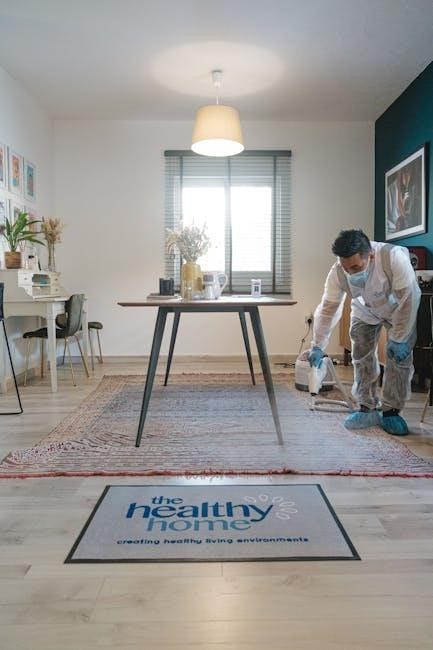
Following the re-entry period and thorough ventilation, cleaning surfaces after Raid fogging is a vital step to remove any potential residue․ While Raid Max No Mess Dry Fogger boasts a non-residue formula, other formulations may leave a light film on surfaces․ Begin by wiping down all frequently touched areas – countertops, tables, doorknobs, and light switches – with a damp cloth and a mild, all-purpose cleaner․
Pay particular attention to kitchen surfaces, especially those used for food preparation․ Thoroughly wash dishes and utensils, and wipe down all food storage areas․ For stainless steel or delicate surfaces, test the cleaner in an inconspicuous area first to ensure it doesn’t cause damage․ Vacuuming carpets and mopping floors will help remove any settled particles․
Avoid using abrasive cleaners, as these could potentially damage surfaces․ Remember to wash your hands thoroughly after cleaning․ This post-fogging cleaning routine ensures a safe and hygienic environment for you and your family, completing the pest control process effectively․
Dealing with Residual Odor
A common concern after Raid fogger application is the lingering odor․ While designed to dissipate with ventilation, some scent may remain․ The first and most crucial step is to continue maximizing airflow – open windows and doors for an extended period, utilizing fans to circulate air effectively․ Consider running your HVAC system with the fan on, but without cooling or heating, to further distribute and filter the air․
Placing bowls of baking soda or activated charcoal around the treated areas can help absorb residual odors․ These are natural odor absorbers and are safe for use around pets and children․ Alternatively, simmering water with citrus peels or cinnamon sticks can introduce a pleasant, natural fragrance․
Avoid masking the odor with strong air fresheners, as this can simply combine scents rather than eliminate the source․ Patience is key; the odor will gradually diminish over several days․ If the odor persists significantly, consult the product label or contact Raid customer support for further guidance․