
Overview of the Manual’s Purpose and Importance
The Colorado Commercial Drivers Manual is the official guide for CMV drivers, providing essential information on traffic rules, safe practices, and licensing requirements. It is regularly updated to reflect current regulations and standards, ensuring drivers are well-prepared for safe and lawful operation of commercial vehicles.
The Colorado Commercial Drivers Manual serves as the official guide for obtaining a Commercial Driver’s License (CDL). It provides detailed information on traffic laws, safety practices, and licensing requirements, ensuring drivers operate commercial vehicles safely and legally. Regularly updated, the manual reflects current federal and state regulations, offering a comprehensive resource for both new and experienced drivers to stay compliant and informed.
Structure and Content of the Colorado CDL Manual
The Colorado CDL Manual is organized into clear sections, covering essential topics like vehicle classification, safety practices, and legal requirements. It includes detailed chapters on pre-trip inspections, traffic laws, and endorsements. The manual also provides visual aids, such as diagrams and charts, to help drivers understand complex concepts. Its logical structure ensures easy navigation, making it a vital tool for CDL applicants to prepare for exams and safe driving practices.
How to Obtain the Colorado Commercial Drivers Manual
The Colorado CDL Manual is accessible through the Colorado DMV website as a free downloadable PDF. You can also pick up a physical copy at any Colorado DMV office; Some locations may require a request in advance. Additionally, the manual is available by calling the Colorado DMV hotline to have one mailed to you. Ensure you have the most recent version for accurate information.

Eligibility Requirements for a Colorado CDL
To obtain a Colorado CDL, applicants must meet specific requirements, including age, residency, medical certification, and background checks. These ensure safety and compliance with regulations.
Age and Residency Requirements
In Colorado, CDL applicants must be at least 21 years old for interstate commerce and 18 years old for intrastate operations. Applicants must also be Colorado residents, providing proof of residency, such as a driver’s license or utility bills. Residency is determined by where the applicant lives, not works, ensuring eligibility aligns with state regulations.
Medical Certification and Health Standards
Colorado requires CDL applicants to meet federal medical standards. A medical examiner certified by the FMCSA must conduct a physical exam. Key areas include vision, blood pressure, and diabetes screening. Applicants must not have disqualifying conditions like epilepsy or heart disease. The medical certification must be updated periodically, and maintaining it is essential for CDL renewal. Non-compliance can result in license suspension.
Background Checks and Disqualifications
CDL applicants in Colorado must undergo a background check, especially for hazmat endorsements. Disqualifications include serious traffic violations, such as DUI or reckless driving. Major offenses like manslaughter or felony convictions using a commercial vehicle also result in disqualification. The duration of disqualification varies based on the offense severity. Repeat offenses can lead to permanent disqualification. Out-of-state violations are also considered in Colorado’s CDL eligibility process.

Types of Commercial Driver’s Licenses (CDLs)
Colorado offers Class A, B, and C CDLs, each requiring specific qualifications. Class A covers combination vehicles over 26,001 lbs, Class B for heavy straight trucks, and Class C for small passenger vehicles or hazmat transport, ensuring drivers meet safety and skill standards for their vehicle type.
Class A, B, and C Licenses Explained
A Class A CDL is required for combination vehicles exceeding 26,001 lbs GVWR, including trailers. Class B covers heavy straight trucks and buses over 26,001 lbs. Class C is for smaller passenger vehicles or hazmat transport. Each license type demands specific skills and knowledge, ensuring drivers are qualified for their vehicle classification and operational needs, with distinct requirements for endorsements and restrictions based on vehicle weight and purpose.
Endorsements and Restrictions
Endorsements on a Colorado CDL allow drivers to operate specialized vehicles like school buses, tankers, or hazmat carriers. Restrictions limit driving privileges, such as prohibiting certain vehicle types. Both are determined based on additional tests, certifications, and driver qualifications. These designations ensure drivers meet specific safety and operational standards, enhancing public safety and regulatory compliance while maintaining clear guidelines for commercial vehicle operation in Colorado.
Specialized Licenses for School Buses and Hazmat Vehicles
Colorado requires specialized licenses for school buses and hazmat vehicles due to their unique safety and regulatory demands. School bus drivers must pass rigorous background checks and complete specific training. Hazmat licenses involve federal security clearances and additional certifications. Both require separate endorsements and testing to ensure public safety and compliance with strict transportation regulations.

Vehicle Classification and Inspection
Vehicle classification in Colorado is based on weight and type, ensuring proper licensing. Regular inspections are mandatory to maintain road safety and compliance with state regulations.
Understanding Vehicle Weight Ratings
Vehicle weight ratings are crucial for safe operation and compliance. Gross Vehicle Weight Rating (GVWR) is the maximum weight a vehicle can safely carry, including cargo and passengers. Colorado classifies commercial vehicles based on GVWR, determining the appropriate CDL class. Knowing and adhering to weight limits ensures legal operation and prevents safety hazards. Always check the manufacturer’s specifications for accurate ratings.
Pre-Trip and Post-Trip Inspection Requirements
Pre-trip and post-trip inspections are essential for ensuring vehicle safety and compliance. Drivers must check tires, brakes, lights, mirrors, and hydraulic systems before and after driving. These inspections help identify potential issues, preventing breakdowns and ensuring the vehicle is roadworthy. Colorado regulations require a thorough routine to be followed, with any defects documented and addressed promptly to maintain safety standards and avoid violations.
Common Defects and How to Report Them
Common defects include brake system failures, worn tires, defective lighting, and malfunctioning hydraulic systems. Drivers must report these issues immediately to their employer. A formal defect report should detail the problem, its location, and the vehicle involved. This ensures timely repairs and compliance with safety regulations. Proper documentation helps prevent accidents and maintains operational integrity, safeguarding both the driver and public safety on Colorado roads.
Safe Driving Practices
Safe driving practices are crucial for commercial drivers, emphasizing defensive driving, maintaining safe following distances, and exercising caution in hazardous weather conditions to minimize risks and ensure safety.
Defensive Driving Techniques
Defensive driving techniques involve staying alert, maintaining safe following distances, and anticipating potential hazards. Colorado’s manual emphasizes the importance of being prepared for unexpected actions by other drivers. This includes adjusting speed according to road conditions and keeping a safe buffer zone around the vehicle. Proper mirror usage and scanning the road ahead are also highlighted to enhance situational awareness and reduce collision risks.
Managing Speed and Following Distances
Managing speed and maintaining proper following distances are critical for safe commercial driving. The Colorado manual advises adjusting speed based on vehicle weight, weather, and road conditions. A following distance of at least one second per 10 feet of vehicle length is recommended. Larger vehicles require even greater gaps to ensure adequate stopping time and improved maneuverability in emergencies. This practice minimizes collision risks and enhances overall road safety.
Navigating Hazardous Weather Conditions
Navigating hazardous weather conditions requires heightened caution for commercial drivers. The Colorado manual emphasizes reducing speed and increasing following distances during rain, snow, or fog. Use low beams in fog and avoid sudden movements. For icy or snowy conditions, know when to chain up and slow down significantly. Always prioritize safety, pulling over if visibility is severely reduced. Adjust driving to match weather conditions for optimal control and safety on the road.
Colorado Traffic Laws and Regulations
Colorado traffic laws ensure safe roads, with specific rules for commercial vehicles. Adherence to speed limits, right-of-way regulations, and state-specific traffic codes is mandatory for CDL holders.
Unique State-Specific Traffic Rules
Colorado has distinct traffic rules for commercial drivers. Chain laws require carriers to carry chains during winter. The Idle Reduction Act mandates engines off after 5 minutes. Tolls in Colorado must be paid, with some roads requiring passes. The Colorado Basic Speed Law prohibits speeds greater than road conditions allow. Specific rules also apply for following distances and lane usage for large vehicles. Adherence ensures compliance and safety on state roads.
Hours of Service and Fatigue Management
Colorado enforces federal hours-of-service regulations to prevent driver fatigue. Commercial drivers may work up to 14 hours, with a maximum of 11 hours of driving. A 30-minute break is required after 8 hours of driving. Drivers must maintain a log of hours, now typically recorded via Electronic Logging Devices (ELDs). Violations can result in fines and license suspension, emphasizing the importance of adhering to these guidelines for safety and compliance.
Alcohol and Drug Regulations for CDL Holders
CDL holders in Colorado must adhere to strict federal alcohol and drug regulations. The blood alcohol content (BAC) limit is 0.04%, lower than the 0.08% limit for non-commercial drivers. Use of illegal drugs or misuse of prescription medications is prohibited. Mandatory testing includes pre-employment, random, post-accident, and reasonable suspicion tests. Violations result in fines, CDL suspension, or disqualification. These regulations prioritize public safety and responsible commercial vehicle operation.

Commercial Driving Skills and Training
Mastering commercial driving skills requires thorough training, focusing on vehicle control, safety maneuvers, and adherence to traffic laws. Training programs ensure drivers operate large vehicles proficiently, emphasizing defensive driving and hazard recognition to minimize risks on Colorado roads.
Behind-the-Wheel Training Requirements
In Colorado, behind-the-wheel training is mandatory for CDL applicants. It includes supervised driving practice to master vehicle control, braking, and maneuvering. Trainees must complete a minimum number of hours, focusing on pre-trip inspections, highway driving, and parking. Certified instructors guide candidates through real-world scenarios to build confidence and competence. The training ensures drivers can safely operate commercial vehicles under various conditions, adhering to state and federal regulations.
Advanced Driving Techniques for Large Vehicles
Advanced driving techniques for large vehicles involve mastering maneuvering, braking, and handling. Drivers learn precise steering, controlling speed on inclines, and safely navigating tight spaces. Techniques include feathering brakes for gradual stops and using reference points for wide turns. These skills are critical for maintaining control and safety, especially in challenging conditions. Training emphasizes smooth acceleration and deceleration to prevent cargo shift or loss of traction.
The Role of Certified Driving Schools
Certified driving schools play a crucial role in training CDL applicants. They provide structured programs, experienced instructors, and hands-on practice. These schools cover classroom and behind-the-wheel training, ensuring mastery of complex driving skills. They also emphasize safety protocols and regulatory compliance. Many schools offer preparation for CDL exams, helping students pass both written and skills tests. Attending a certified program is often recommended for those seeking a professional CDL.
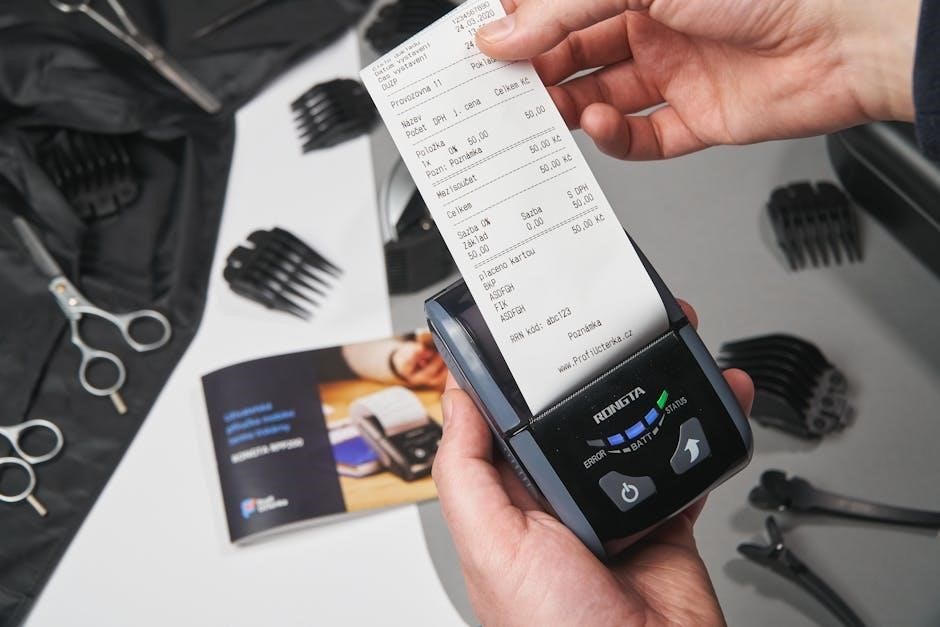
CDL Application and Testing Process
Applicants must submit required documents, pass a vision test, and complete written and skills exams. Fees apply, and retesting may be needed if initial attempts fail.
Step-by-Step Guide to Applying for a CDL
- Review the Colorado Commercial Drivers Manual to understand requirements.
- Meet eligibility criteria, including age, residency, and medical standards.
- Select the appropriate CDL class and endorsements based on your vehicle type.
- Gather required documents, such as proof of identity, residency, and medical certification;
- Complete and submit the CDL application form at a Colorado DMV office.
- Pay the applicable fees for the application and tests.
- Pass the written knowledge test to obtain a Commercial Learner’s Permit (CLP).
- Schedule and pass the skills test, which includes a vehicle inspection, basic controls, and road test.
- Receive your CDL upon successful completion of all requirements.
Written and Skills Tests Explained
The Colorado Commercial Drivers Manual outlines the written and skills tests required for obtaining a CDL. The written test covers CDL regulations, traffic laws, and safety practices. Applicants must also pass a vision test. The skills test includes pre-trip inspection, basic vehicle control, and on-road driving. Each CDL class and endorsement requires specific testing. Preparation through the manual is essential for success;
Retesting Policies and Fees
In Colorado, CDL applicants who fail a written or skills test can retake it after a mandatory waiting period. The state allows up to three attempts within a six-month period. A retesting fee applies for each failed test, currently $16 for written exams and $20 for skills tests. Endorsement tests also incur a $16 fee per retry. Applicants must schedule retests through the DMV and pay the required fees each time they attempt the test.

Maintaining Your CDL
Maintaining your Colorado CDL requires periodic renewal, updating medical certification, and notifying the DMV of personal information changes. Regular reviews ensure compliance with state and federal regulations;
Drivers must renew their CDL every 5 years, pay applicable fees, and provide updated documents. Medical certification must remain current, with periodic exams as required by FMCSA standards.
Updating personal information, such as address or name changes, is mandatory to keep DMV records accurate. Failure to maintain requirements may result in license suspension or cancellation.
Renewal Process and Requirements
The renewal process for a Colorado CDL typically occurs every 5 or 7 years, depending on the license type. Drivers must submit a renewal application, pay the required fee, and provide updated medical certification if applicable. A vision test may also be necessary. The Colorado DMV offers online renewal options for eligible drivers, while others may need to visit a DMV office in person. Renewal fees vary based on the license term and type.
Keeping Your Medical Certification Up-to-Date
Colorado CDL holders must maintain a valid medical certification to ensure compliance with federal and state regulations. The Federal Motor Carrier Safety Administration (FMCSA) requires commercial drivers to pass periodic physical exams, typically every 1-2 years. Drivers must submit a completed Medical Examiner’s Certificate to the Colorado DMV. Failure to keep certification current can result in CDL suspension. Regular health check-ups and timely renewals are essential to avoid disruptions in driving privileges.
Updating Personal Information
Updating personal information is crucial for Colorado CDL holders to ensure their records remain accurate. Drivers must notify the Colorado DMV within 30 days of any changes to their name, address, or medical certification status. Updates can be made in person at a DMV office, requiring proper documentation such as proof of residency or legal name changes. Failure to update information may result in penalties. Visit the Colorado DMV website or call for specific requirements and assistance.
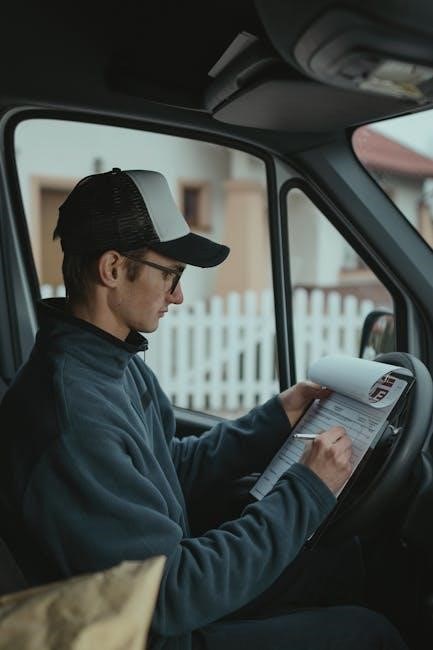
Resources for CDL Holders
The Colorado DMV provides official resources, including downloadable manuals, practice tests, and application forms. Utilize online study guides for exam preparation and access support services for commercial drivers.
Official Colorado DMV Websites and Downloads
The Colorado Department of Motor Vehicles (DMV) provides official resources for commercial drivers. Visit the Colorado DMV website for the latest version of the Colorado Commercial Driver’s Manual. Downloadable forms, application guides, and CDL handbooks are available. The site also offers links to practice tests and medical certification requirements. These resources ensure CDL applicants and holders stay informed and compliant with state regulations.
- Access the official CDL manual and supporting documents.
- Download forms for medical certification and application processes.
- Utilize online tools for license renewal and updates.
These resources are essential for understanding Colorado’s CDL requirements and maintaining compliance.
CDL Practice Tests and Study Guides
Colorado offers official CDL practice tests and study guides to help applicants prepare for the written and skills exams. These resources are available on the Colorado DMV website and cover topics such as traffic laws, safe driving practices, and vehicle inspection procedures. Additionally, third-party websites provide practice tests and study materials tailored to Colorado’s specific CDL requirements. Using these tools ensures a comprehensive understanding of the material and improves test-taking confidence. Regular practice helps candidates master the content efficiently.
Support Services for Commercial Drivers
Colorado offers various support services for commercial drivers, including resources from the Colorado Motor Carriers Association and the Federal Motor Carrier Safety Administration (FMCSA). Drivers can access online training platforms, safety guidelines, and legal advice. Additionally, many truck stops and fleet companies provide amenities like maintenance support, health screenings, and mental health resources. These services aim to enhance driver well-being and compliance with regulations.
Professional organizations often host workshops and forums to discuss industry challenges. Mobile apps like Trucker Path and Weather Underground offer real-time updates on weather, traffic, and parking. Emergency roadside assistance programs are also available to help drivers in distress. These resources foster a supportive community, ensuring drivers can operate safely and efficiently on Colorado’s roads.

Handling Emergencies and Accidents
Handling emergencies and accidents requires immediate action to ensure safety. Commercial drivers must stay calm, secure the scene, and provide first aid if needed. Notifying authorities and documenting incidents is crucial for legal and insurance purposes. Proper procedures help prevent further risks and ensure compliance with Colorado regulations.
Drivers should be prepared to report detailed information, including vehicle descriptions and witness statements. Regular training on emergency protocols is essential for effective response. Employers must also be informed to facilitate support and administrative processes.
Emergency Procedures for Commercial Vehicles
Emergency procedures for commercial vehicles are critical for ensuring safety on Colorado roads. In case of a breakdown or accident, drivers should pull over to a safe location and engage hazard lights. Deploying warning triangles or flares can alert other motorists. The vehicle must be secured, and the driver should assess damage before evacuating passengers if necessary. Contacting authorities and documenting the incident are essential steps. Always follow Colorado-specific protocols for emergencies.
What to Do in Case of an Accident
In the event of an accident, remain calm and prioritize safety. Move the vehicle to a safe location if possible. Turn on hazard lights and use warning triangles or flares. Provide assistance to injured individuals but avoid moving them unless necessary. Exchange information with all parties involved, including names, contact details, and insurance information. Document the scene with photos and notes. Notify law enforcement immediately, especially if injuries or significant damage occur. Report the incident to your employer and file an official report within 24 hours as required by Colorado regulations. Always maintain professionalism and cooperate with authorities.
Reporting Incidents to Authorities
Commercial drivers in Colorado must report any involvement in an accident to the authorities immediately. This includes providing detailed information about the incident, such as the location, time, and parties involved. Drivers must also submit an official accident report to the Colorado DMV within 10 days if the incident results in injury, death, or significant property damage. Honest and accurate reporting is essential to maintain CDL privileges and comply with state regulations.

Future Trends in Commercial Driving
Advancements in Vehicle Technology
The Colorado Commercial Drivers Manual highlights emerging technologies like autonomous systems, electric vehicles, and advanced safety features, enhancing efficiency and safety for commercial drivers.
Changes in Regulations and Training Methods
Updated regulations focus on emissions, hours of service, and safety protocols, while training incorporates virtual reality and simulation to better prepare CDL holders for real-world scenarios.
The Impact of Autonomous Vehicles
Autonomous vehicles are reshaping the industry, offering potential benefits like reduced accidents and increased productivity, but also raising concerns about job displacement and regulatory challenges.
The Colorado Commercial Drivers Manual highlights advancements in vehicle technology that enhance safety and efficiency. Modern trucks now feature collision mitigation systems, lane departure warnings, and adaptive cruise control. These technologies reduce accidents and improve driver experience. Additionally, electric and autonomous vehicles are emerging, promising lower emissions and reduced driver fatigue. Staying informed about these innovations is crucial for CDL holders to adapt to evolving industry standards and operate safely on Colorado roads.
The Colorado Commercial Drivers Manual reflects evolving regulations and training approaches to enhance road safety. Recent updates include stricter hours-of-service rules and expanded requirements for distracted driving prevention. Training methods now incorporate virtual simulations and online platforms to improve engagement. Emphasis is placed on adaptive training for new technologies and hazardous materials handling. These changes ensure drivers stay compliant and well-prepared for modern challenges on the road.
The rise of autonomous vehicles is reshaping the commercial driving landscape in Colorado. These technologies aim to enhance safety, reduce accidents caused by human error, and improve traffic flow. While autonomous trucks and buses are still in testing phases, they promise increased efficiency and reduced labor costs. Regulatory frameworks are evolving to accommodate these innovations, ensuring public safety remains a priority. The integration of autonomous vehicles may also require updated training for CDL holders to adapt to new technologies and protocols.