
The New Jersey Commercial Driver’s License (CDL) Manual is the official guide for truckers‚ outlining regulations‚ safety practices‚ exam requirements. Updated annually‚ it aligns with state and federal standards‚ ensuring drivers are prepared for the knowledge test and road‑skills assessment.

Purpose and Scope
The New Jersey Commercial Driver’s License (CDL) Manual serves as the definitive reference for individuals seeking to obtain‚ renew‚ or maintain a commercial driving credential within the state. Its primary purpose is to consolidate all federal and state regulations‚ safety guidelines‚ and procedural requirements into a single‚ accessible document that applicants can use to prepare for the written knowledge exam and the practical skills assessment. By presenting clear‚ step‑by‑step instructions‚ the manual helps drivers understand the legal obligations associated with operating various categories of commercial vehicles—ranging from passenger buses to hazardous‑materials carriers—and the specific endorsements that may be required. Additionally‚ the manual outlines the eligibility criteria‚ documentation needed‚ and fee structure‚ ensuring that candidates are fully informed before they begin the application process. The scope of the manual extends beyond exam preparation; it also serves as an ongoing resource for licensed drivers‚ offering updates on rule changes‚ best practices for vehicle inspection‚ and guidance on maintaining compliance with both state and federal safety standards. Through its comprehensive coverage‚ the manual promotes a culture of safety‚ professionalism‚ and accountability among New Jersey’s commercial drivers‚ ultimately contributing to safer roadways and reduced accident rates across the state. The manual also features detailed illustrations‚ sample questions‚ and real‑world scenarios to aid comprehension. It is updated annually to reflect federal and state regulatory changes‚ including recent ELD mandates. By adhering to its guidance‚ drivers can lower violation risks‚ improve safety records‚ and support New Jersey’s commercial transportation integrity. This ensures safer roads statewide and everywhere.
Regulatory Framework
The regulatory framework governing the New Jersey CDL Manual is anchored in a dual‑layered system that blends federal mandates from the Federal Motor Carrier Safety Administration (FMCSA) with state‑specific statutes administered by the New Jersey Motor Vehicle Commission (NJ MVC). At the federal level‚ the Commercial Driver’s License (CDL) Act of 1986 and its subsequent amendments dictate core requirements such as minimum age‚ medical certification‚ and the issuance of a Commercial Driver’s License Identification Card. These federal standards are further refined by the FMCSA’s Driver Qualification Files (DQF) and the Electronic Logging Device (ELD) rule‚ which mandate accurate record‑keeping of hours‑of‑service (HOS) for all commercial operators. New Jersey supplements these mandates with its own statutory provisions—most notably N.J. Stat. § 39:4‑1.1 and § 39:4‑1.2—which prescribe additional endorsements‚ such as the Hazardous Materials (HazMat) endorsement‚ and impose stricter penalties for violations of HOS regulations within state borders. The NJ MVC’s regulatory hierarchy also includes periodic updates to the CDL Manual‚ reflecting changes in federal law‚ such as the 2023 ELD implementation‚ and state‑level initiatives‚ such as the 2025 “Safe Driver” program that introduces mandatory defensive‑driving courses for all new commercial license holders. Compliance is monitored through a combination of written knowledge tests‚ skills examinations‚ and ongoing record audits. The manual serves as the official reference for both the testing process and the operational rules that drivers must follow‚ ensuring that every commercial driver operating in New Jersey meets the highest safety and competency standards set by both federal and state authorities. Furthermore‚ the manual delineates the procedures for obtaining a commercial learner’s permit‚ outlines the required medical examinations‚ and specifies the criteria for license renewal‚ ensuring that drivers remain compliant with evolving safety protocols throughout their careers. Drivers are also required to complete periodic safety refresher courses as mandated by state law. ThanksXXXXXXXXXX
Historical Development
The New Jersey CDL Manual evolved from 2009 revisions to the 2026 edition‚ reflecting federal updates‚ state safety initiatives‚ and technology shifts like ELDs. Each update refines testing‚ endorsements‚ and operational guidelines to keep drivers compliant and safe!
2009 Manual Revisions (04-2009 & 12-2009)
In 2009‚ the New Jersey Department of Motor Vehicles released two major updates to the Commercial Driver’s License (CDL) Manual‚ one in April and a subsequent revision in December. These editions were designed to incorporate the latest federal regulations issued by the Federal Motor Carrier Safety Administration (FMCSA) and to address emerging safety concerns specific to New Jersey’s commercial traffic environment. The April 2009 manual introduced updated sections on vehicle inspection procedures‚ emphasizing the importance of pre‑trip checks and the proper use of safety equipment such as seat belts‚ airbags‚ and load‑securement devices. It also expanded the guidance on hazardous materials (hazmat) endorsements‚ providing clearer criteria for qualifying drivers and outlining the necessary training and documentation requirements.
The December 2009 revision built upon the April release by refining the rules governing commercial vehicle operations‚ including stricter limits on driver hours of service (HOS) and the integration of electronic logging device (ELD) guidelines that were emerging at the time. Additionally‚ the manual added new case studies illustrating real‑world scenarios‚ such as navigating congested urban routes and handling emergency situations involving large commercial vehicles. These case studies were designed to enhance the practical understanding of drivers‚ ensuring that they could apply theoretical knowledge to everyday driving challenges. Both revisions also updated the testing format‚ providing sample questions that reflected the updated content and ensuring that the knowledge test remained aligned with current safety standards.
These updates set the foundation for future revisions‚ ensuring that New Jersey’s commercial drivers remain compliant with evolving safety mandates.
2015 Revision and 2020 Update
In 2015 the New Jersey Department of Motor Vehicles released a comprehensive revision of the Commercial Driver’s License (CDL) Manual‚ aligning it with the Federal Motor Carrier Safety Administration’s (FMCSA) updated regulations. This edition introduced a new emphasis on electronic logging devices (ELDs)‚ incorporating detailed instructions on device installation‚ data management‚ and compliance verification. It also expanded the hazardous materials (hazmat) endorsement section‚ adding updated pictograms‚ packaging requirements‚ and emergency response protocols. The manual’s vehicle inspection chapter was overhauled to include a step‑by‑step checklist for pre‑trip inspections‚ focusing on brake performance‚ tire integrity‚ and load‑securement techniques. Driver safety sections were enhanced with new guidance on defensive driving‚ fatigue management‚ and the use of advanced driver assistance systems (ADAS) in commercial vehicles. The 2015 revision also updated the knowledge test format‚ adding new multiple‑choice questions that reflected the revised content and ensuring that the test remained current with federal standards.
Five years later‚ in 2020‚ the manual received a significant update to reflect further regulatory changes and technological advancements. The 2020 update incorporated the latest FMCSA HOS rules‚ including the new 14‑hour on‑road limit and the 10‑hour off‑duty rest period. It also introduced a new section on electric and hybrid commercial vehicles‚ covering charging infrastructure‚ battery management‚ and safety considerations unique to these vehicles. The vehicle inspection chapter was updated again to include inspection of electric drivetrains‚ regenerative braking systems‚ and related safety equipment. Additionally‚ the manual added a new subsection on cybersecurity risks associated with connected commercial vehicles‚ outlining best practices for protecting vehicle systems from unauthorized access. The knowledge test was revised to include questions on these new topics‚ ensuring that drivers are prepared for the evolving commercial driving landscape. These updates collectively aim to improve road safety and streamline compliance for all New Jersey commercial drivers.
2026 Current Edition
The 2026 edition of the New Jersey Commercial Driver’s License (CDL) Manual represents the latest iteration of the state’s official training guide. Released in March 2026‚ this version incorporates the most recent Federal Motor Carrier Safety Administration (FMCSA) updates‚ including the 2025 HOS rule changes‚ expanded electronic logging device (ELD) requirements‚ and new guidance on electric and hybrid commercial vehicles. The manual now features a multilingual interface‚ offering full translations in Spanish‚ French‚ and Mandarin to accommodate the diverse driver population. Interactive digital tools are integrated‚ allowing users to simulate pre‑trip inspections‚ load‑securement procedures‚ and hazard‑identification scenarios through embedded quizzes and video demonstrations. A dedicated section on cybersecurity addresses emerging threats to connected vehicle systems‚ outlining best practices for safeguarding data and maintaining vehicle integrity. The vehicle‑inspection chapter has been revised to include checks for battery management systems‚ regenerative braking‚ and advanced driver assistance systems (ADAS). Driver‑safety content emphasizes fatigue‑management strategies‚ defensive‑driving techniques‚ and the use of collision‑avoidance technologies. The knowledge‑test format has been updated to reflect these changes‚ featuring new multiple‑choice questions on ELD data handling‚ electric‑vehicle safety‚ and cybersecurity protocols. Overall‚ the 2026 edition aims to provide comprehensive‚ up‑to‑date resources that support safe‚ compliant commercial driving across New Jersey. Users can access the manual through the NJ MVC website‚ where downloadable PDFs and an interactive e‑learning module are available. The e‑learning module includes scenario‑based learning‚ allowing drivers to practice decision‑making in real‑time traffic situations. Additionally‚ the manual references the latest state‑specific regulations on hazardous materials‚ including updated placarding and emergency response procedures. The 2026 edition also incorporates a new section on driver wellness‚ providing guidance on nutrition‚ sleep hygiene‚ and stress management to enhance on‑road performance daily.
Accessing the Manual
Download the latest NJ CDL Manual directly from the official MVC website. Navigate to the “Driver Handbooks” section‚ select “Commercial Driver’s License” and choose the 2026 PDF. The site also offers a free e‑learning module‚ accessible after creating a quick account. Available in PDF e‑lear
Official NJ MVC Website Downloads
The New Jersey Motor Vehicle Commission (MVC) offers the official CDL Manual as a free‚ downloadable PDF. To obtain it‚ visit the MVC’s website at https://www.state.nj.us/mvc‚ click “Driver Handbooks‚” then select “Commercial Driver’s License” and download the 2026 edition. The PDF is about 1.2 MB and can be opened with any standard reader. The MVC also provides an interactive e‑learning module‚ accessible after creating a free account‚ which includes quizzes‚ video tutorials‚ and a printable study guide. Users can track progress‚ download completed modules‚ and receive a digital completion certificate. The download page lists the manual’s page count‚ last revision date‚ and a brief summary. For those who prefer a physical copy‚ the MVC sells printed versions online with shipping to U.S. addresses. All downloads are protected by the MVC’s copyright policy and are the most accurate‚ legally compliant source for CDL study materials; By using the official MVC website‚ drivers ensure they have the latest version‚ avoiding outdated or unofficial copies that may contain errors or missing sections. After logging in‚ you can also view a PDF preview‚ download the manual in multiple languages‚ and access a printable version. The MVC’s system records your download history‚ allowing you to re‑download the manual if needed. If you encounter any issues‚ the MVC’s help center provides troubleshooting guides and a contact form for support. The manual is updated annually‚ so always verify the edition number before study. Download links are refreshed monthly to reflect regulatory updates.
Third-Party Practice Resources

While the MVC’s manual is the definitive source‚ many third‑party platforms offer supplemental study aids tailored to New Jersey’s CDL exam. Popular options include online portals that host full‑length practice tests mirroring the official test’s format‚ complete with answer explanations and time‑stamped results. Mobile apps provide flashcards‚ mnemonic tools‚ and interactive quizzes that can be used on the go. Commercial driving schools often supply printed workbooks and video lessons covering vehicle inspection‚ hazardous material handling‚ and advanced driving maneuvers. Subscription‑based services deliver weekly drills‚ progress tracking dashboards‚ and personalized feedback from certified instructors. Community forums and social media groups allow candidates to share tips‚ recent test questions‚ and study schedules. Many of these resources are free‚ while premium tiers unlock detailed analytics‚ mock exams‚ and downloadable study plans. When selecting a third‑party tool‚ verify that it references the latest 2026 edition of the New Jersey CDL Manual and that its content aligns with the MVC’s regulatory updates. Combining official materials with reputable third‑party practice resources can enhance retention‚ expose candidates to a variety of question styles‚ and boost confidence before the actual test. Leading sites such as Truckers.com‚ CDL Test Prep‚ and Exam Edge provide structured courses that include video tutorials and scenario‑based questions. Some services offer a “study‑buddy” feature‚ pairing learners with experienced drivers for mentorship. Podcasts and webinars hosted by industry experts discuss recent rule changes and safety tips. These resources also provide interfaces that allow review during commute times. For those on a budget‚ free flashcard sets and community‑generated question banks can be downloaded from platforms like StudyBlue or Quizlet‚ ensuring that every candidate has access to diverse learning materials.

Manual Structure and Content
The NJ CDL Manual is organized into clear sections: Driver Safety‚ Vehicle Operations‚ Inspection‚ and Hazardous Materials. Each chapter contains rules‚ best practices‚ and sample questions. The layout follows MVC guidelines‚ ensuring consistency with federal standards. It also has a glossary. and.
Driver Safety and Control Sections
The New Jersey CDL Manual dedicates a comprehensive portion to driver safety and control‚ emphasizing the core principles that keep commercial operators and the public safe. This section covers:
- Speed Management: Guidelines for maintaining safe speeds on highways and urban roads‚ including limits and vehicle weight impact.
- Lane Discipline: Rules for proper lane usage‚ safe lane changes‚ and maintaining following distances‚ with emphasis on the two‑second rule.
- Seat Belt and Restraint Use: Mandatory seat‑belt policies for drivers and passengers‚ stressing harness use for all crew.
- Load Securement: Procedures for securing cargo and preventing shifting‚ with legal requirements for freight types.
- Vehicle Inspection and Maintenance: Daily pre‑trip checks‚ critical systems‚ and reporting defects promptly.
- Defensive Driving Techniques: Strategies for anticipating hazards‚ maintaining awareness‚ and using mirrors and blind‑spot checks.
- Hazard Perception: Identifying hazards like pedestrians‚ bicyclists‚ and vehicles‚ with emphasis on proactive decisions.
Each subsection includes illustrative examples‚ sample exam questions‚ and references to the applicable New Jersey Motor Vehicle Commission (NJ MVC) regulations‚ ensuring that drivers not only understand the theory but can apply it in real‑world scenarios. and real‑time decisions now!

Vehicle Operations and Inspection Chapters
The New Jersey CDL Manual’s Vehicle Operations and Inspection Chapters provide a detailed roadmap for operators to master the technical aspects of commercial driving. These chapters are divided into three core areas:
- Pre‑Trip Inspection: Step‑by‑step guidance on checking brakes‚ steering‚ lights‚ tires‚ and fluid levels‚ with a focus on identifying defects that could compromise safety.
- On‑Road Operations: Rules governing lane changes‚ merging‚ and handling of hazardous materials‚ including specific procedures for low‑visibility conditions and extreme weather.
- Post‑Trip Procedures: Documentation requirements‚ reporting of incidents‚ and maintenance logs that ensure compliance with state and federal regulations.
Each section contains illustrative diagrams‚ sample checklists‚ and practice questions that mirror the format of the official knowledge test. By following these chapters‚ drivers can demonstrate proficiency in vehicle handling‚ emergency response‚ and regulatory compliance‚ all of which are critical for passing the practical exam and maintaining a valid CDL in New Jersey.
In addition‚ the manual details the use of inspection tools such as torque wrenches‚ brake fluid testers‚ and electronic diagnostic interfaces. It explains how to interpret warning lights on the dashboard and the importance of timely repairs. Common inspection errors—like overlooking brake pad wear or misreading tire pressure gauges—are highlighted with corrective actions to prevent costly penalties.
Finally‚ the chapters emphasize continuous learning‚ encouraging drivers to stay updated on new regulations and technological advancements‚ such as advanced driver assistance systems (ADAS) and electronic logging device (ELD) integration‚ which are increasingly relevant in modern commercial fleets.
Testing and Certification Process
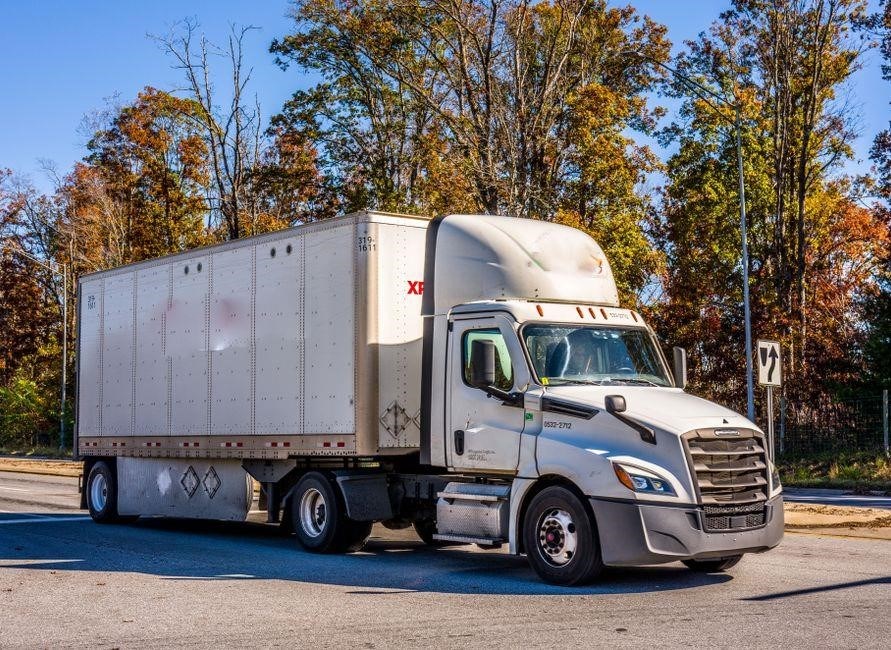
The New Jersey CDL testing framework evaluates both knowledge and practical skills. Candidates first obtain a commercial learner’s permit by passing a written exam covering vehicle inspection to hazardous‑material handling. After mandatory training‚ applicants schedule a road‑skills test at a designated MVC testing center. The test includes a pre‑trip inspection‚ basic vehicle control maneuvers‚ and advanced driving scenarios such as backing‚ lane‑change‚ and emergency braking. Each segment is scored by a certified examiner‚ and a minimum passing score is required to earn a CDL. The state mandates periodic renewal every five years‚ involving a self‑certification form and‚ for certain classes‚ a refresher knowledge test. The MVC also offers a “CDL Road‑Skills Test” for specific vehicle types‚ ensuring drivers meet unique operational demands of each class. Throughout the process‚ applicants receive detailed feedback and can retake the test within a specified window if they do not achieve a passing score. This rigorous‚ multi‑stage approach guarantees that New Jersey’s commercial drivers possess competence and safety awareness necessary for the state’s busy highways and freight corridors. Additionally‚ the MVC provides optional online practice exams and downloadable study guides that mirror the official test format. These resources help candidates identify knowledge gaps early and focus their study efforts. The testing process is supported by a mobile app that schedules appointments‚ tracks test results‚ and offers reminders for renewal deadlines. By integrating technology with traditional methods‚ New Jersey ensures drivers are compliant with federal regulations and equipped with up‑to‑date road safety knowledge.