
The 2016 Honda Civic represents a significant redesign‚ offering enhanced features and performance․ This manual guides owners through operation‚ maintenance‚ and safety protocols‚ ensuring a fulfilling driving experience․
Vehicle Overview
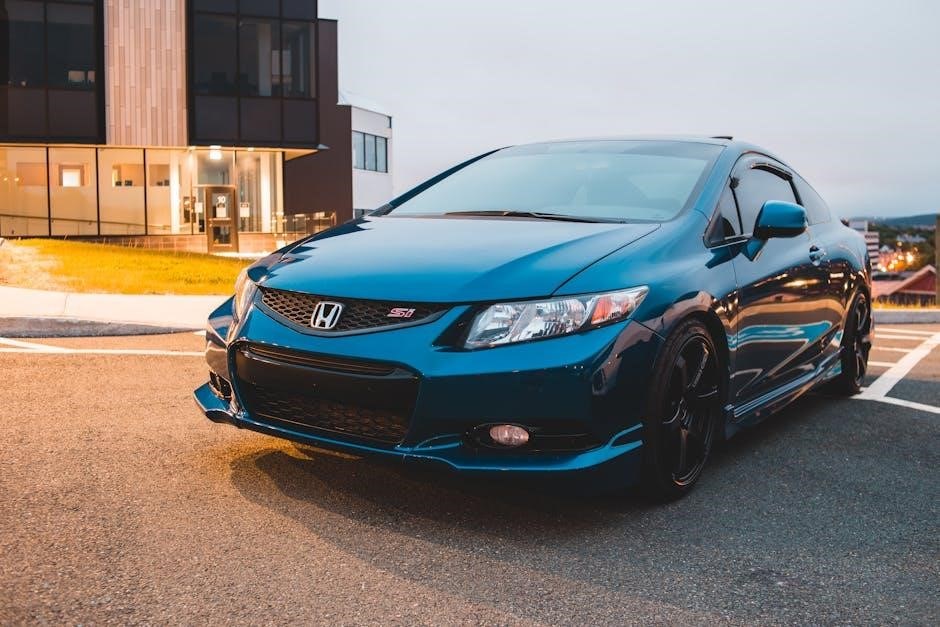
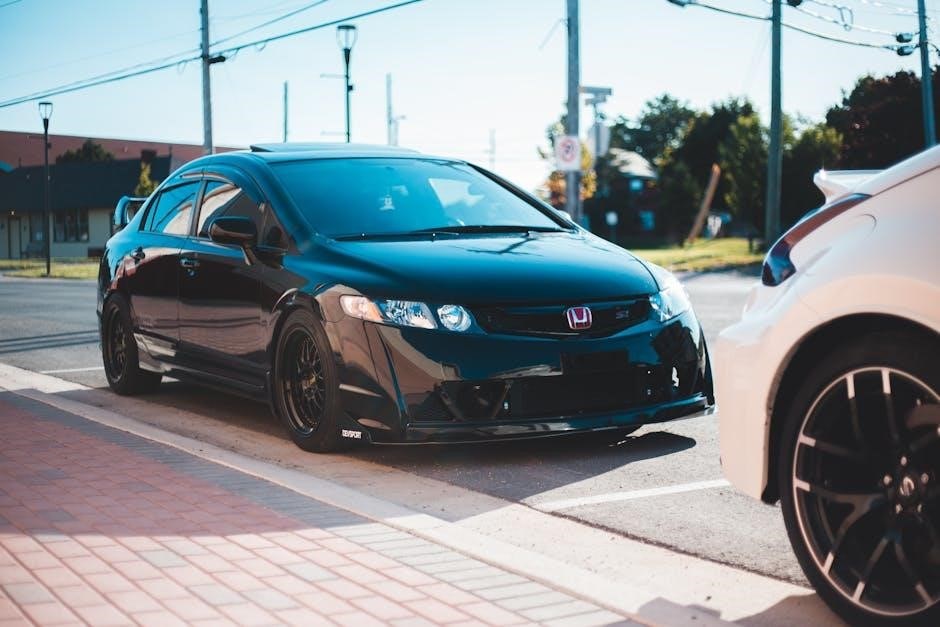
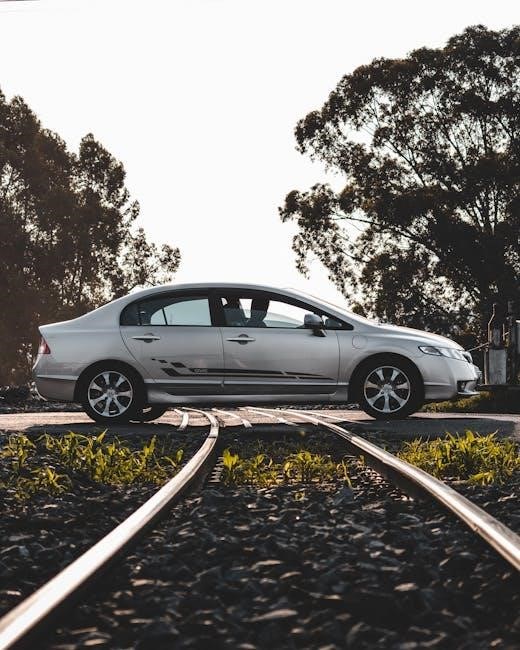
The 2016 Honda Civic arrives as a completely redesigned model‚ marking the start of the tenth generation․ Available as a sedan or coupe‚ it boasts a more sophisticated and sporty aesthetic compared to its predecessor․ This generation prioritized a more engaging driving experience alongside improved fuel efficiency and interior refinement․ The Civic offers a range of trim levels – LX‚ SE‚ EX‚ EX-T‚ and Touring – each building upon the last with increasing features and amenities․
Key improvements include a new Earth Dreams Technology engine lineup‚ featuring both 2․0-liter and 1․5-liter turbocharged options․ The interior received a significant overhaul‚ with higher-quality materials and a more modern dashboard layout․ Safety features were also enhanced‚ with available Honda Sensing suite providing advanced driver-assistance technologies․ Understanding these core aspects provides a foundational knowledge for owners navigating their 2016 Civic․
Key Features and Trim Levels
The 2016 Honda Civic presents a diverse range of trims‚ each offering a unique blend of features․ The LX serves as the base model‚ providing essential amenities like a rearview camera and Bluetooth connectivity․ Stepping up to the SE adds features like Honda LaneWatch and automatic climate control․ The EX introduces a sunroof‚ alloy wheels‚ and a more advanced infotainment system․
For those seeking enhanced performance‚ the EX-T incorporates a turbocharged engine․ The top-tier Touring trim boasts premium features such as leather upholstery‚ navigation‚ and Honda Sensing‚ a suite of safety technologies including adaptive cruise control and lane keeping assist․ Key features across trims include available Apple CarPlay/Android Auto integration and a multi-angle rearview camera‚ enhancing convenience and safety for all drivers․

Understanding Your Vehicle’s Systems
This section details the intricate systems within your 2016 Civic․ Familiarizing yourself with these components—engine‚ transmission‚ brakes—ensures optimal performance and longevity․
Engine Specifications and Maintenance
Your 2016 Honda Civic is equipped with either a 2․0-liter inline-4 or a 1․5-liter turbocharged inline-4 engine․ The 2․0L produces 158 horsepower and 138 lb-ft of torque‚ while the 1․5L turbo delivers 174 horsepower and 177 lb-ft․ Regular maintenance is crucial for optimal engine performance․
Oil changes are recommended every 7‚500-10‚000 miles using 0W-20 synthetic oil․ Inspect coolant levels monthly and replace every 30‚000 miles․ Air filter replacement should occur every 15‚000-30‚000 miles‚ depending on driving conditions․ Spark plugs have a recommended replacement interval of 60‚000-100‚000 miles․ Always refer to the maintenance schedule in your owner’s manual for precise intervals based on your driving habits and conditions․ Ignoring these maintenance items can lead to decreased fuel efficiency and potential engine damage․
Transmission and Drivetrain
The 2016 Honda Civic offers transmission choices: a 6-speed manual or a Continuously Variable Transmission (CVT)․ The CVT prioritizes fuel efficiency through seamless gear ratio adjustments․ Front-wheel drive is standard across all trim levels․ Regularly inspect the transmission fluid; Honda recommends replacement every 30‚000-60‚000 miles depending on driving conditions – consult your owner’s manual for specifics․
Proper operation of the CVT involves smooth acceleration and avoiding abrupt shifts․ The manual transmission requires consistent clutch engagement and gear selection․ Inspect drive shafts and axles for damage or leaks during routine maintenance․ Listen for unusual noises during operation‚ which could indicate drivetrain issues․ Maintaining the drivetrain ensures optimal power delivery and a smooth driving experience․ Ignoring these checks can lead to costly repairs․
Braking System Details
The 2016 Honda Civic utilizes a hydraulic braking system with ventilated front discs and solid rear discs․ Anti-lock Braking System (ABS) is standard‚ preventing wheel lockup during hard braking for enhanced control․ Regularly inspect brake pads‚ rotors‚ and brake lines for wear and damage․ Honda recommends brake fluid replacement every three years‚ regardless of mileage‚ to maintain optimal performance․
The Vehicle Stability Assist (VSA) system integrates with the braking system to help maintain directional control․ Pay attention to brake pedal feel; any sponginess or unusual noises warrant immediate inspection․ Ensure adequate brake fluid levels are maintained․ Proper brake maintenance is crucial for safety․ Ignoring brake issues can significantly increase stopping distances and compromise vehicle control‚ potentially leading to accidents․
Steering and Suspension
The 2016 Honda Civic features a responsive steering system‚ typically utilizing Electric Power Steering (EPS) for enhanced efficiency and feel․ The suspension system‚ consisting of MacPherson struts in the front and multi-link in the rear‚ is tuned for a balance of comfort and handling․ Regularly inspect steering linkage and suspension components for wear‚ damage‚ or looseness․
Proper tire inflation is critical for optimal steering and suspension performance․ Listen for unusual noises like clunking or squeaking‚ which could indicate suspension issues․ Wheel alignment should be checked periodically‚ especially after hitting potholes or curbs․ Maintaining the suspension ensures a smooth ride‚ predictable handling‚ and contributes to overall vehicle safety․ Neglecting these components can lead to uneven tire wear and compromised control․
Electrical System Overview
The 2016 Honda Civic’s electrical system powers numerous features‚ including the engine‚ lights‚ infotainment‚ and safety systems․ It’s a 12-volt system‚ primarily supplied by the battery and charged by the alternator․ Fuses protect circuits from overloads; a fuse box diagram is located within the owner’s manual and often on the fuse box cover itself․
Be cautious when adding aftermarket electrical accessories‚ as they can strain the system․ Regularly inspect the battery terminals for corrosion and ensure they are securely connected․ Avoid excessive use of electrical components when the engine is off to prevent battery drain․ Understanding the electrical system’s layout and components is crucial for diagnosing and resolving minor electrical issues‚ and for safe maintenance practices․

Operating Your 2016 Honda Civic
Familiarize yourself with the Civic’s controls and features for optimal driving․ This section details starting‚ driving modes‚ climate control‚ audio‚ and navigation system usage․
Starting and Stopping the Engine
Starting the Engine: Ensure the parking brake is engaged and the gear selector is in Park (P)․ Insert the key into the ignition or‚ if equipped‚ press the start/stop button while firmly pressing the brake pedal․ The instrument panel will illuminate‚ and the engine will start․ Allow the engine to idle for a short period‚ especially in cold weather‚ to ensure proper lubrication before driving․
Stopping the Engine: Gently apply the brakes to bring the vehicle to a complete stop․ Shift the gear selector to Park (P)․ Engage the parking brake․ Turn the ignition key to the LOCK position or‚ if equipped‚ press the start/stop button once to turn off the engine․ Remove the key from the ignition (if applicable)․ Always ensure the vehicle is completely stopped before shifting into Park․
Important Notes: Do not start or stop the engine while the vehicle is in motion․ Avoid prolonged idling‚ as it can reduce fuel efficiency and increase emissions․ If the engine fails to start‚ consult the troubleshooting section of this manual․
Driving Modes and Fuel Efficiency
Driving Modes: The 2016 Honda Civic may offer multiple driving modes – typically Normal‚ Eco‚ and Sport․ Eco mode prioritizes fuel efficiency by adjusting throttle response and transmission shifting patterns․ Sport mode enhances performance with a more responsive throttle and altered shift points․ Normal mode provides a balance between performance and efficiency․
Fuel Efficiency: Maximizing fuel efficiency involves several practices․ Maintain proper tire inflation‚ avoid aggressive acceleration and braking‚ and minimize idling․ Utilize cruise control on highways for consistent speed․ Regularly scheduled maintenance‚ including air filter replacement and spark plug checks‚ also contributes to optimal fuel economy․
Fuel Consumption Monitoring: The vehicle’s information display provides real-time and average fuel consumption data‚ allowing drivers to monitor and adjust their driving habits for improved efficiency․
Climate Control System
Operation: The 2016 Honda Civic’s climate control system allows for precise temperature and airflow adjustments․ Utilize the temperature dial to select desired heat or cool settings․ Fan speed controls regulate airflow intensity‚ while mode selection (vent‚ floor‚ defrost) directs air to specific areas․ The A/C button activates the air conditioning for cooling․
Dual-Zone Control (If Equipped): Some trims feature dual-zone climate control‚ enabling independent temperature settings for driver and passenger․ This enhances comfort for occupants with differing preferences․
Maintenance: Regularly inspect and replace the cabin air filter to ensure optimal air quality and system performance․ Proper ventilation helps prevent moisture buildup and odors․
Audio and Infotainment System
Overview: The 2016 Honda Civic’s audio and infotainment system provides various entertainment and connectivity options․ Systems typically include AM/FM radio‚ CD player‚ USB input‚ and auxiliary input; Higher trims may feature a touchscreen display‚ Honda’s Display Audio system‚ and smartphone integration like Apple CarPlay and Android Auto․
Operation: Use the touchscreen or physical buttons to navigate menus‚ select audio sources‚ and adjust volume․ Bluetooth connectivity allows for hands-free calling and audio streaming․ Explore system settings to customize preferences․
Troubleshooting: If experiencing issues‚ check connections‚ ensure Bluetooth pairing is active‚ and consult the system’s user guide for specific troubleshooting steps․
Navigation System (If Equipped)
System Overview: If your 2016 Honda Civic is equipped with a navigation system‚ it provides turn-by-turn directions‚ points of interest (POI) search‚ and real-time traffic updates (depending on subscription status)․ The system is typically controlled via a touchscreen interface․
Operation: Input your destination using the address‚ POI‚ or voice recognition․ The system calculates the optimal route and provides visual and audible guidance․ Regularly update the map data to ensure accuracy and access to the latest road information․
Troubleshooting: If the system malfunctions‚ verify GPS signal reception‚ check map data updates‚ and consult the navigation system’s dedicated manual for detailed troubleshooting assistance․
Maintenance and Care
Regular maintenance is crucial for optimal performance and longevity․ Following the scheduled intervals outlined in this manual ensures your 2016 Civic remains reliable․
Scheduled Maintenance Intervals
Maintaining your 2016 Honda Civic involves adhering to a specific schedule of maintenance tasks․ These intervals‚ detailed within this owner’s manual‚ are designed to ensure optimal vehicle performance‚ reliability‚ and longevity․ The “Maintenance Minder” system displays codes indicating necessary services‚ rather than strict mileage-based intervals․
Key maintenance items include oil and filter changes (code A or B)‚ tire rotations‚ air filter replacements‚ and fluid level checks․ Code 1 indicates an oil change is needed‚ while code 2 adds additional services like air filter‚ pollen filter‚ and fluid inspections․ More extensive services‚ such as spark plug replacement‚ drive belt inspection‚ and coolant flush‚ are recommended at higher mileage intervals‚ typically indicated by codes 3 and beyond․
Always refer to the Maintenance Minder display and the detailed maintenance schedule in this manual for precise recommendations tailored to your driving conditions․ Ignoring scheduled maintenance can lead to decreased fuel efficiency‚ increased repair costs‚ and potential safety hazards․

Fluid Checks and Replacements
Regularly checking and maintaining proper fluid levels is crucial for the health of your 2016 Honda Civic․ This includes engine oil‚ coolant‚ brake fluid‚ power steering fluid (if applicable)‚ transmission fluid‚ and windshield washer fluid․ Low fluid levels can lead to component damage and reduced performance․
Engine oil should be checked weekly and replaced according to the Maintenance Minder system․ Coolant levels should be inspected periodically‚ ensuring the correct Honda-specified coolant is used․ Brake fluid should be checked for contamination and replaced every three years‚ regardless of mileage․ Transmission fluid condition should also be monitored‚ with replacement intervals varying based on driving conditions․
Always refer to the owner’s manual for specific fluid specifications and replacement procedures․ Using incorrect fluids can cause serious damage to your vehicle․ Proper fluid maintenance contributes significantly to the longevity and reliability of your 2016 Honda Civic․
Tire Information and Maintenance
Maintaining proper tire condition is vital for safety and optimal performance of your 2016 Honda Civic․ This includes regularly checking tire pressure‚ tread depth‚ and for any signs of damage like cuts or bulges․ Correct tire pressure‚ found on the driver’s side doorjamb‚ improves fuel efficiency and handling․
Tires should be rotated every 5‚000 to 7‚500 miles to ensure even wear․ Tread depth should be inspected frequently; tires with insufficient tread are dangerous‚ especially in wet conditions․ The “penny test” is a simple way to check tread depth․ Replace tires when they reach the wear bars or show signs of significant damage․
Always use tires of the same size and type as originally equipped by Honda․ Proper tire maintenance extends tire life‚ enhances safety‚ and contributes to a smoother‚ more controlled driving experience in your 2016 Civic․
Battery Care and Replacement
Your 2016 Honda Civic’s battery provides the electrical power to start the engine and operate electrical components․ Proper battery care extends its lifespan and ensures reliable performance․ Avoid leaving lights on when the engine is off‚ as this can drain the battery․ Corrosion on the battery terminals should be cleaned regularly with a baking soda and water solution․
If your Civic experiences frequent starting problems‚ the battery may need replacement․ Symptoms include a slow engine crank or dim headlights․ When replacing the battery‚ always disconnect the negative terminal first to prevent short circuits․ Ensure the replacement battery has the correct group size and cold cranking amps (CCA) for your vehicle․
Dispose of old batteries responsibly at a recycling center․ Maintaining a healthy battery is crucial for dependable operation of your 2016 Honda Civic‚ especially during colder months․
Safety Features and Systems
The 2016 Civic prioritizes occupant protection with advanced systems․ These include airbags‚ Vehicle Stability Assist‚ and available Honda Sensing technologies for enhanced safety․
Airbag System Details
Your 2016 Honda Civic is equipped with a sophisticated airbag system designed to provide crucial protection in the event of a collision․ This system includes front airbags for both driver and passenger‚ designed to deploy in moderate to severe frontal impacts․ Side airbags are integrated into the front seats‚ offering torso protection during side collisions․
Side curtain airbags extend along the side windows‚ safeguarding the heads of occupants in both front and rear seats during side impacts․ The system’s sensors are strategically placed to determine the severity of a crash and deploy the appropriate airbags․ Important: Always wear seat belts‚ as airbags are designed to work in conjunction with them‚ not as a replacement․ Improper seating positions or modifications to the vehicle can affect airbag performance․ Refer to the owner’s manual for detailed information regarding airbag system components and safety precautions․
Vehicle Stability Assist (VSA)
The 2016 Honda Civic incorporates Vehicle Stability Assist (VSA) – an electronic system designed to enhance stability and prevent skidding․ VSA utilizes sensors to monitor steering angle‚ wheel speed‚ and vehicle direction․ When VSA detects a loss of control‚ such as oversteering or understeering‚ it selectively applies braking force to individual wheels and adjusts engine power to help steer the vehicle back on course․
A VSA indicator light on the instrument panel illuminates when the system is actively intervening․ Important: VSA is not a substitute for safe driving practices․ Always maintain a safe speed‚ allow adequate following distance‚ and be aware of road conditions․ While VSA significantly improves stability‚ it cannot overcome the laws of physics․ The system can be temporarily disabled with a button‚ but it automatically re-engages upon restarting the vehicle․ Consult your owner’s manual for complete details and limitations․
Honda Sensing Suite (If Equipped)
Certain 2016 Honda Civic models are equipped with the Honda Sensing suite‚ a collection of advanced safety and driver-assistive technologies․ This suite typically includes features like Collision Mitigation Braking System (CMBS)‚ Road Departure Mitigation System (RDMS)‚ Adaptive Cruise Control (ACC)‚ and Lane Keeping Assist System (LKAS)․ These systems utilize cameras and radar sensors to monitor the vehicle’s surroundings․
CMBS can automatically apply the brakes to help avoid or mitigate a collision․ RDMS alerts the driver and can apply corrective steering if the vehicle drifts off the road․ ACC maintains a set speed and distance from the vehicle ahead․ LKAS assists in keeping the vehicle centered in its lane․ Important: Honda Sensing is designed to assist the driver‚ not replace them․ Always remain attentive and prepared to take control of the vehicle․ Refer to your owner’s manual for detailed operation and limitations of each system․
Collision Mitigation Braking System (CMBS)
The Collision Mitigation Braking System (CMBS) is a crucial safety feature designed to help avoid or lessen the severity of frontal collisions․ Utilizing a forward-facing camera and radar‚ CMBS constantly monitors the road ahead‚ detecting potential collision risks with vehicles or pedestrians․ If a collision is deemed imminent‚ the system provides three levels of warning:
First‚ a visual alert appears on the Multi-Information Display (MID)․ Second‚ an audible warning sounds․ Third‚ if the driver doesn’t react‚ CMBS automatically applies the brakes․ Important Considerations: CMBS performance can be affected by weather conditions‚ road markings‚ and the speed and distance of the detected object․ It’s vital to remember CMBS is an assistive system and doesn’t eliminate the driver’s responsibility to remain alert and in control․ Consult your owner’s manual for detailed operational guidelines and limitations․

Troubleshooting and Common Issues
This section addresses typical concerns‚ warning lights‚ and basic fixes for your 2016 Civic․ Refer to this guide for jump-starting and initial diagnostic steps․
Warning Lights and Indicators
Understanding your 2016 Honda Civic’s warning lights is crucial for safe operation․ The illumination of a warning light signals a potential issue requiring attention․ A solid light generally indicates a condition needing inspection‚ while a flashing light often signifies a more urgent problem demanding immediate action․
Key indicators include the check engine light‚ which may signal engine malfunctions‚ the oil pressure light‚ indicating low oil levels‚ and the battery warning light‚ suggesting charging system issues․ The brake warning light illuminates when the parking brake is engaged or if there’s a brake system malfunction․ Pay close attention to the airbag warning light‚ as it indicates a problem with the supplemental restraint system․
Refer to the comprehensive index in your owner’s manual for a detailed explanation of each light and recommended actions․ Ignoring warning lights can lead to more significant damage and compromise your safety․ Promptly addressing these signals ensures the longevity and reliable performance of your Civic․
Jump Starting Procedures
If your 2016 Honda Civic’s battery is depleted‚ a jump start can get you going․ First‚ ensure both vehicles are turned off and not touching․ Connect the red (positive) cable to the positive terminal of the discharged battery‚ then to the positive terminal of the boosting battery․ Next‚ connect the black (negative) cable to the negative terminal of the boosting battery․
Crucially‚ connect the final black cable to a grounded metal surface on your Civic‚ away from the battery‚ to avoid sparks․ Start the boosting vehicle and let it run for a few minutes․ Then‚ attempt to start your Civic․ If it starts‚ carefully disconnect the cables in the reverse order of connection․
Allow your Civic to run for at least 20 minutes to recharge the battery․ If jump starting fails‚ or you’re unsure‚ consult a qualified mechanic․ Improper jump starting can damage your vehicle’s electrical system․
Basic Troubleshooting Tips
Encountering minor issues with your 2016 Honda Civic? Start with the basics․ For a non-starting engine‚ check the fuel level and ensure the battery connections are secure․ A flickering dashboard might indicate a loose connection – inspect fuses related to the affected system․ If your Civic’s lights are dim‚ the alternator may be failing; have it checked promptly․

Unusual noises often signal a problem․ A squealing sound could be a worn belt‚ while clunking noises might indicate suspension issues․ Before assuming the worst‚ consult the owner’s manual for common causes and solutions;
Remember‚ attempting complex repairs without proper knowledge can cause further damage․ When in doubt‚ seek assistance from a certified Honda technician for accurate diagnosis and repair․

Warranty Information
Your 2016 Honda Civic is covered by a comprehensive warranty‚ detailing specific terms‚ durations‚ and exclusions for repairs and component failures․
Warranty Coverage Details
The 2016 Honda Civic’s warranty provides peace of mind‚ covering defects in materials and workmanship․ The basic warranty extends for 3 years/36‚000 miles‚ safeguarding against manufacturing flaws․ Powertrain coverage‚ encompassing the engine‚ transmission‚ and drivetrain‚ lasts for 5 years/60‚000 miles‚ offering extended protection for critical components․
Corrosion protection is provided for 5 years/unlimited miles‚ addressing rust and corrosion issues․ Accessory coverage typically mirrors the basic warranty period․ This warranty is transferable to subsequent owners‚ enhancing resale value․ However‚ it doesn’t cover damage from accidents‚ misuse‚ or unauthorized modifications․ Maintaining proper vehicle maintenance‚ as outlined in the owner’s manual‚ is crucial for warranty validity․ Refer to the warranty booklet for complete details and specific exclusions․
Contacting Honda Customer Service
For assistance with your 2016 Honda Civic‚ Honda provides multiple avenues for customer support․ You can reach Honda Customer Service via phone at 1-800-999-1009‚ available Monday through Friday․ Their website‚ automobiles․honda․com‚ offers a wealth of information‚ FAQs‚ and online support resources․
Owners can also connect through the Honda Owners app‚ providing access to maintenance schedules‚ recall information‚ and service appointments․ For specific warranty inquiries or complex issues‚ contacting Honda Customer Service directly is recommended․ When contacting support‚ have your Vehicle Identification Number (VIN) readily available for efficient assistance․ Social media channels‚ like Honda’s official Facebook and Twitter accounts‚ can also be used for general inquiries․ Detailed contact information and support options are outlined within the 2016 Civic’s owner’s manual․