
Hatha Yoga Sequence PDF: A Comprehensive Guide
Hatha yoga sequences, often found as PDFs, provide structured routines for practice, ranging from 60-minute flows to beginner-friendly options․
These printable sequences, like those on Etsy, detail postures and cues, aiding both new and experienced practitioners in their yoga journey․
Classic poses, including sun salutations and seated variations, are commonly featured, promoting strength, flexibility, and balance․
What is Hatha Yoga?
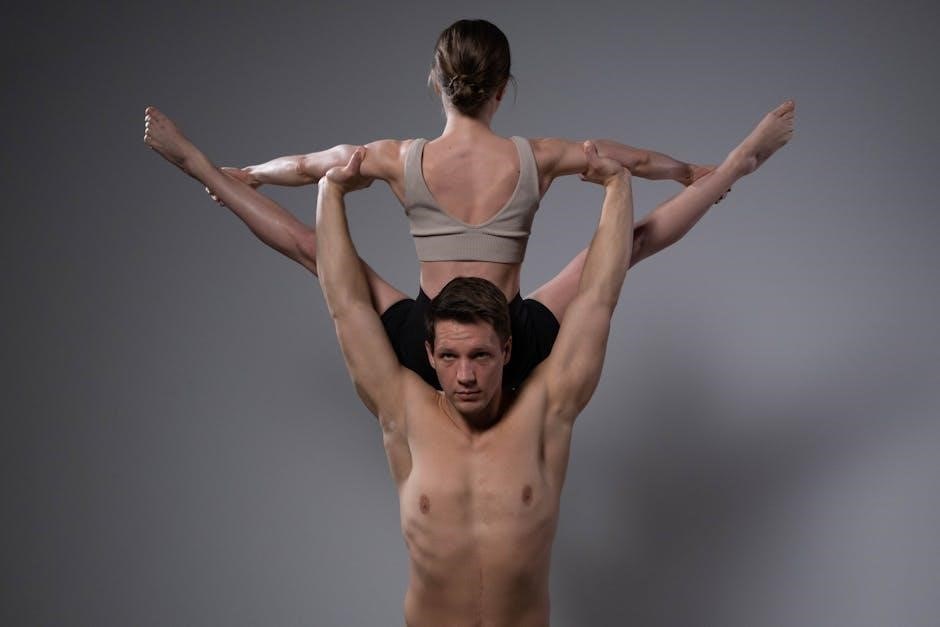
Hatha yoga, a foundational practice within the broader yoga tradition, represents a system designed to harmonize the body and mind․ It’s not a single style, but rather an umbrella term encompassing many types of physical yoga postures․ The core principle revolves around asanas (postures), pranayama (breath control), and meditation, all working synergistically to cultivate physical health and mental clarity․
Unlike more dynamic styles like Vinyasa, Hatha yoga generally emphasizes holding poses for longer durations, allowing for deeper exploration of alignment and breath awareness․ This deliberate pace makes it accessible to beginners while still offering a challenge for experienced practitioners․ Many Hatha yoga sequence PDFs reflect this emphasis on foundational poses and mindful movement․
The practice aims to balance opposing energies – the ‘ha’ representing the sun and active energy, and the ‘tha’ representing the moon and calming energy – within the body․ Through consistent practice, guided by resources like downloadable Hatha yoga sequence PDFs, individuals can experience increased strength, flexibility, and a profound sense of well-being․
The Historical Roots of Hatha Yoga
Hatha yoga’s origins trace back to ancient India, evolving over centuries from earlier yogic traditions․ While precise dating is debated, texts like the Hatha Yoga Pradipika, dating back to the 15th century, are considered foundational․ These texts detail asanas, pranayama, and purification techniques, forming the basis of modern Hatha practice․
Prior to this, elements of Hatha yoga were interwoven with Tantric traditions, focusing on harnessing energy and achieving spiritual liberation․ The development of Hatha yoga sequence PDFs, as we know them today, is a relatively recent phenomenon, born from the desire to systematize and share these ancient teachings․
The practice wasn’t initially focused on physical exercise, but rather as a preparatory stage for deeper meditative states․ Modern Hatha yoga sequence PDFs often distill these complex philosophies into accessible routines, making the benefits of this ancient practice available to a wider audience, emphasizing physical well-being alongside spiritual growth․
Benefits of Practicing Hatha Yoga
Hatha yoga sequence PDFs facilitate access to a practice yielding numerous benefits for both body and mind․ Physically, regular practice enhances strength and flexibility, improving posture and balance․ The controlled movements and breathwork increase circulation and promote joint health, potentially alleviating chronic pain․
Mentally, Hatha yoga encourages mindfulness and reduces stress․ The focus on breath and present moment awareness calms the nervous system, fostering a sense of inner peace․ Utilizing a PDF sequence allows for consistent practice, reinforcing these mental benefits over time․
Furthermore, Hatha yoga can improve respiratory function and boost energy levels․ The practice’s holistic approach addresses physical, mental, and emotional well-being, making Hatha yoga sequence PDFs a valuable tool for overall health and vitality․
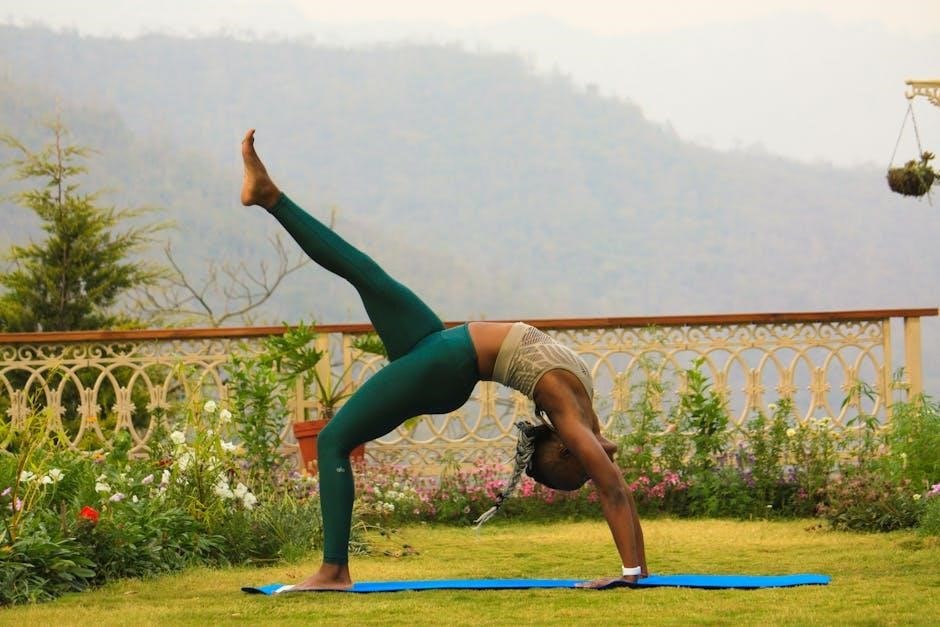
Understanding a Typical 60-Minute Hatha Flow
Hatha yoga sequence PDFs often outline a 60-minute flow, typically divided into warm-up, core poses, and cool-down sections for balanced practice․
Warm-up Sequence (10-15 minutes)
Hatha yoga sequence PDFs frequently begin with a 10-15 minute warm-up, preparing the body for deeper postures․ A cornerstone of this phase is Sun Salutations (Surya Namaskar), offered in various modifications to suit different levels․
These dynamic sequences synchronize breath with movement, increasing circulation and gently stretching major muscle groups․ Beyond Sun Salutations, gentle joint mobilization exercises are crucial․
These involve circular motions and controlled movements of the wrists, ankles, knees, and spine, enhancing range of motion and reducing the risk of injury․ A well-structured warm-up, as detailed in many printable Hatha yoga sequences, is vital for a safe and effective practice, laying the foundation for the subsequent poses․
Sun Salutations (Surya Namaskar) ‒ Variations
Hatha yoga sequence PDFs often present Sun Salutations (Surya Namaskar) with adaptable variations to accommodate diverse abilities․ Beginners might start with a simplified version, focusing on mastering the foundational movements – Mountain Pose, Forward Fold, Halfway Lift, Plank, and Downward-Facing Dog․
More experienced practitioners can explore variations like Chaturanga-integrated flows or incorporating twists and backbends․ Some PDFs detail modifications for individuals with wrist or shoulder limitations, offering alternatives like fist-to-floor or forearm plank․
These variations ensure accessibility and prevent strain, allowing everyone to benefit from the energizing and warming effects of Sun Salutations․ The key is to maintain breath synchronization throughout each variation, as emphasized in comprehensive yoga sequence guides․
Gentle Joint Mobilization
Hatha yoga sequence PDFs frequently incorporate gentle joint mobilization exercises as a crucial warm-up component․ These movements prepare the body for deeper postures by increasing range of motion and lubricating the joints․ Common exercises include wrist circles, ankle rotations, knee bends, and gentle neck stretches․
PDF guides often emphasize performing these movements slowly and mindfully, coordinating them with the breath․ This mindful approach enhances body awareness and prevents injury․ Some sequences include cat-cow pose as a spinal mobilization exercise, promoting flexibility and releasing tension․
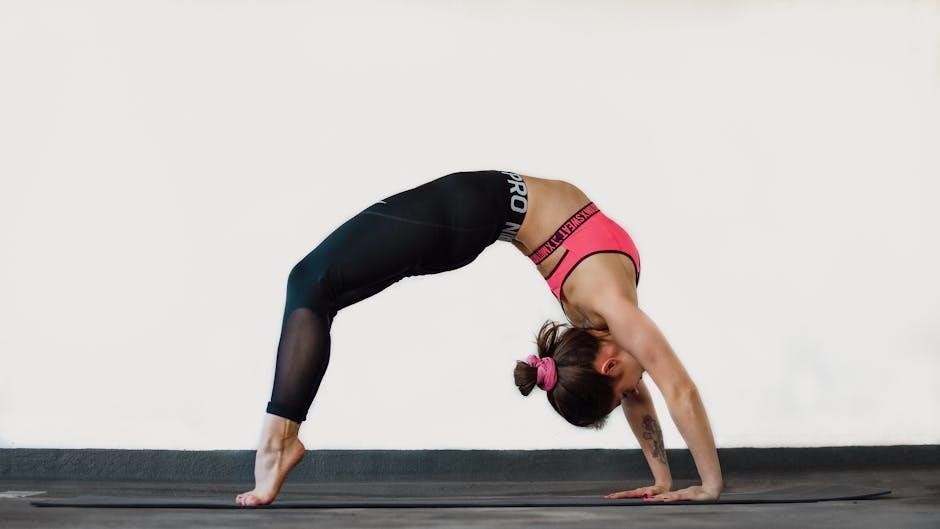
The inclusion of joint mobilization demonstrates a holistic approach to yoga practice, prioritizing preparation and injury prevention, as detailed in many downloadable hatha yoga sequences․
Core Poses (20-25 minutes)
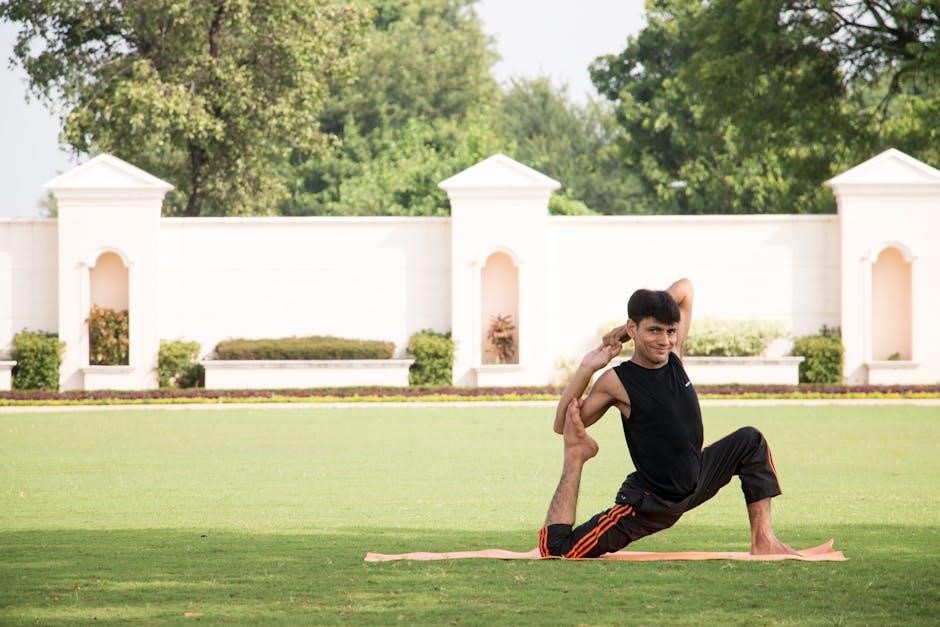
Hatha yoga sequence PDFs typically dedicate 20-25 minutes to core poses, building strength and stability․ These sequences often begin with standing poses like Tadasana (Mountain Pose) and Trikonasana (Triangle Pose), focusing on proper alignment and foundation․ PDF guides emphasize engaging core muscles throughout these poses for optimal benefit․
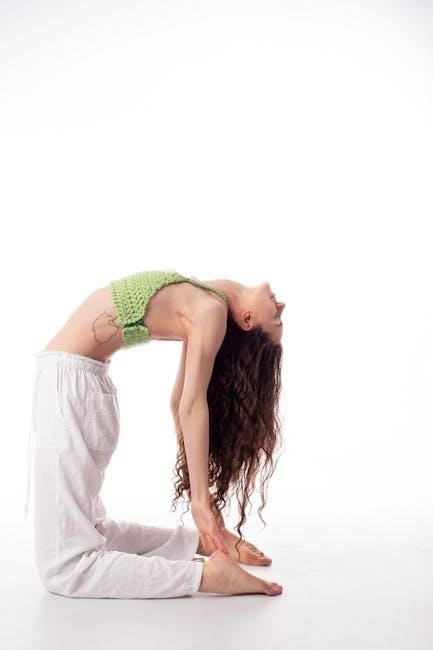
Following standing poses, seated poses such as Dandasana (Staff Pose) and Paschimottanasana (Seated Forward Bend) cultivate stability and flexibility in the spine and hamstrings․ Many printable sequences provide modifications for varying levels of experience․
The core pose section in a hatha yoga PDF aims to create a balanced practice, integrating strength, flexibility, and mindful awareness, as highlighted in various online resources․
Standing Poses: Foundation and Alignment
Hatha yoga sequence PDFs prioritize standing poses as foundational elements, emphasizing proper alignment for stability and strength․ These sequences commonly include Tadasana (Mountain Pose), serving as the base for many other poses, and Trikonasana (Triangle Pose), building balance and flexibility․
PDF guides often detail precise alignment cues – grounding through the feet, engaging the core, and lengthening the spine – to maximize benefits and prevent injury․ The focus is on establishing a strong foundation before progressing to more complex postures․
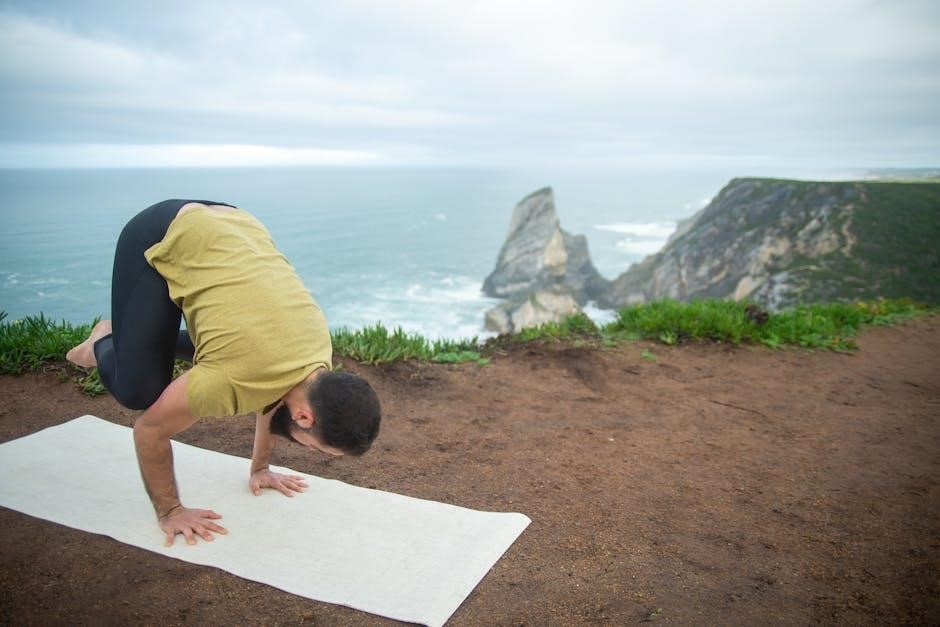
Many printable sequences offer modifications for different levels, ensuring accessibility․ Understanding the alignment principles within these poses, as detailed in hatha yoga PDFs, is crucial for a safe and effective practice․
Tadasana (Mountain Pose)
Tadasana (Mountain Pose), frequently detailed in hatha yoga sequence PDFs, is the cornerstone of standing poses, establishing foundational alignment․ These PDF guides emphasize grounding through all four corners of the feet, actively engaging leg muscles, and subtly drawing the tailbone down․
Hatha yoga PDFs often illustrate proper posture: shoulders relaxed, spine elongated, and crown of the head reaching towards the ceiling․ It’s presented not as a passive stance, but an active engagement of the entire body․
Many printable sequences use Tadasana as a starting and returning point, promoting body awareness․ PDFs may include cues for breath synchronization, deepening the connection between mind and body․ Mastering Tadasana is vital for building a solid base for more challenging poses․
Trikonasana (Triangle Pose)
Trikonasana (Triangle Pose), a common inclusion in hatha yoga sequence PDFs, builds upon the foundation of standing poses, emphasizing flexibility and balance․ PDF guides typically illustrate a wide stance with feet aligned, and a gentle side bend initiated from the hips, not the waist․
These printable sequences often detail reaching one arm towards the floor (or a block for beginners), while the other extends towards the ceiling, creating a long line of energy․ Hatha yoga PDFs stress maintaining a straight spine and open chest․
PDFs frequently include modifications for varying levels, such as bending the front knee or using a block under the hand․ Proper alignment, as shown in these guides, prevents strain and maximizes the pose’s benefits․
Seated Poses: Cultivating Stability
Seated poses, frequently detailed in hatha yoga sequence PDFs, transition from dynamic standing postures to a more grounded practice, fostering inner stability․ These PDF guides often begin with Dandasana (Staff Pose), emphasizing a straight spine and active legs as a foundational alignment․
Following this, Paschimottanasana (Seated Forward Bend) is commonly included, with PDFs illustrating a gentle forward fold from the hips, maintaining a lengthened spine․ Modifications, like bending the knees, are often shown for accessibility․
Hatha yoga sequence PDFs emphasize the importance of breath awareness during these poses, encouraging a deeper stretch and release․ These printable sequences promote calmness and prepare the body for restorative postures․
Dandasana (Staff Pose)
Dandasana (Staff Pose), a cornerstone of many hatha yoga sequence PDFs, serves as a foundational seated posture, building core engagement and spinal alignment․ PDF guides typically illustrate sitting with legs extended forward, feet flexed, and hands placed beside the hips․
These printable sequences emphasize maintaining a straight spine – lengthening from the tailbone to the crown of the head – and actively pressing the thighs down towards the earth․ Hatha yoga PDFs often highlight the importance of avoiding rounding the back or tilting the pelvis․
Dandasana prepares the body for seated forward folds and twists, establishing a strong base․ PDFs may offer modifications for those with tight hamstrings, suggesting a slight bend in the knees․
Paschimottanasana (Seated Forward Bend)
Paschimottanasana (Seated Forward Bend), frequently detailed in hatha yoga sequence PDFs, is a classic pose for calming the mind and stretching the spine․ Printable guides demonstrate initiating the pose from Dandasana, inhaling to lengthen the spine, and exhaling to fold forward from the hips․
Hatha yoga PDFs often stress the importance of maintaining a straight back as much as possible, prioritizing length over depth․ Reaching for the feet is secondary; the focus is on lengthening the spine with each exhale․ Modifications are commonly suggested for beginners, like bending the knees or using a strap․
These PDF sequences emphasize mindful breathing throughout the pose, encouraging practitioners to release tension with each exhalation, deepening the stretch gradually․
Cool-down and Relaxation (15-20 minutes)
Hatha yoga sequence PDFs consistently dedicate 15-20 minutes to cool-down and relaxation, recognizing its vital role in integrating the practice․ Printable routines often include supine poses like Supta Baddha Konasana (Reclined Butterfly Pose) and Apanasana (Knees-to-Chest Pose), detailed with step-by-step instructions․
These PDF guides emphasize gentle movements to release any remaining tension in the body, preparing for the final relaxation․ The ultimate goal is to transition into Savasana (Corpse Pose), often highlighted as the most important pose in the practice․
PDFs stress the importance of a comfortable position and undisturbed duration for Savasana, allowing the body and mind to fully absorb the benefits of the session․
Supine Poses: Releasing Tension
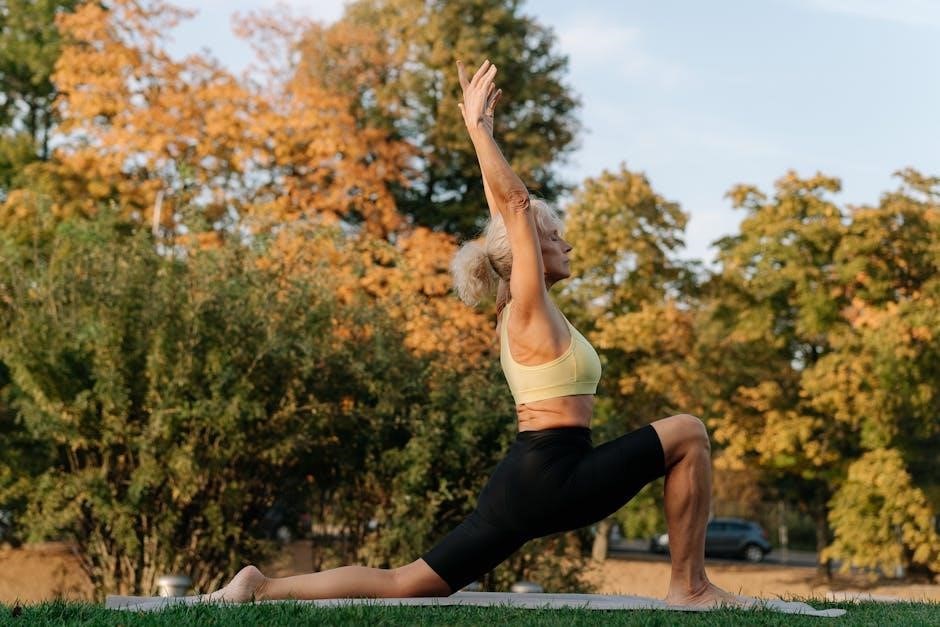
Hatha yoga sequence PDFs frequently incorporate supine poses within the cool-down phase, specifically designed for releasing tension accumulated during the practice․ These printable guides often feature Supta Baddha Konasana (Reclined Butterfly Pose), detailed with cues for hip opening and gentle relaxation․
Another common pose found in these PDFs is Apanasana (Knees-to-Chest Pose), illustrated with instructions for lower back release and abdominal massage․ The emphasis is on passive stretching and allowing gravity to assist in deepening the pose․
PDFs often highlight the importance of mindful breathing during these poses, encouraging practitioners to notice and release any lingering tightness․ These supine postures prepare the body for the final, restorative Savasana․
Supta Baddha Konasana (Reclined Butterfly Pose)
Hatha yoga sequence PDFs consistently include Supta Baddha Konasana, or Reclined Butterfly Pose, as a key component of the cool-down․ These printable resources detail how to lie on your back, bringing the soles of your feet together and allowing your knees to fall open to the sides․
PDF guides emphasize using props – blankets or bolsters – under the knees for support, especially for beginners or those with tight hips․ The pose is presented as a gentle hip opener, promoting relaxation and releasing tension in the groin and inner thighs․
Instructions within the PDFs often encourage practitioners to focus on deep, even breathing, allowing the body to surrender into the pose․ It’s highlighted as a restorative posture, preparing the body and mind for Savasana․
Apanasana (Knees-to-Chest Pose)
Hatha yoga sequence PDFs frequently incorporate Apanasana, or Knees-to-Chest Pose, within the cool-down phase․ These printable guides illustrate lying on your back and drawing your knees towards your chest, gently clasping them with your hands․
PDF instructions often emphasize maintaining a relaxed lower back, avoiding any strain․ The pose is presented as a gentle abdominal massage, aiding digestion and relieving lower back discomfort․ Variations detailed in PDFs include gentle rocking side-to-side to deepen the massage․
These yoga resources highlight the importance of coordinating the pose with your breath, inhaling to lengthen the spine and exhaling to draw the knees closer․ It’s described as a preparatory pose for twists and further deepens relaxation before Savasana․
Savasana (Corpse Pose) ⎯ Importance and Duration
Hatha yoga sequence PDFs consistently emphasize Savasana, or Corpse Pose, as the crucial final step․ These printable guides detail lying flat on your back, palms facing up, and completely relaxing every muscle in the body․
PDFs highlight its importance for integrating the benefits of the practice, allowing the nervous system to calm and the mind to quiet․ Duration varies, but yoga resources commonly recommend at least 5-15 minutes, sometimes longer, depending on the overall flow length․
Sequence PDFs often include cues for releasing tension, focusing on the breath, and letting go of thoughts․ It’s presented not as inactivity, but as profound rest and restoration, maximizing the practice’s impact․
Finding and Utilizing Hatha Yoga Sequence PDFs
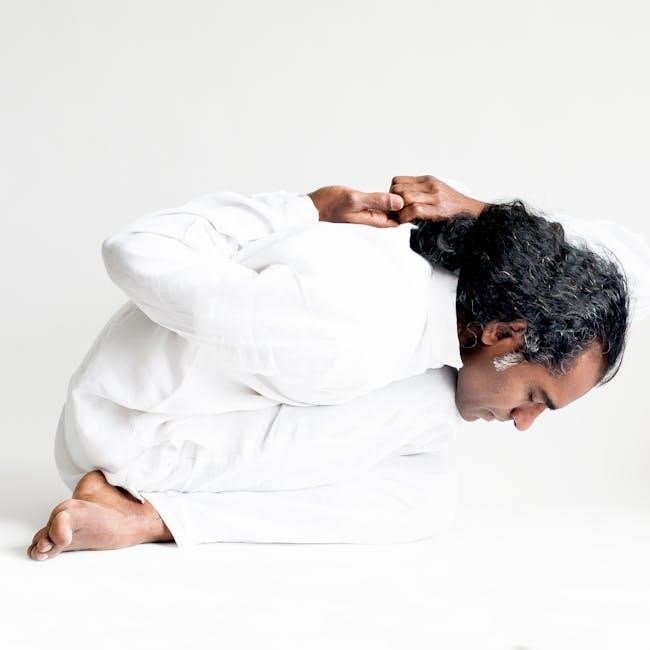
Hatha yoga sequence PDFs are readily available online, from platforms like Etsy, offering printable routines for varied levels and goals․
Digital resources provide convenient access to structured flows, enhancing your practice with detailed posture guides․
Resources for Printable Hatha Yoga Sequences
Numerous online platforms offer a wealth of printable Hatha yoga sequences in PDF format, catering to diverse experience levels and preferences․ Etsy emerges as a prominent source, showcasing a variety of detailed 60-minute Hatha flows, often developed by certified yoga instructors․ These downloadable resources typically include comprehensive posture breakdowns accompanied by clear, concise cues, facilitating a guided practice experience․
Beyond Etsy, yoga websites and blogs, such as Brett Larkin Yoga, frequently provide free Hatha yoga sequences, including options specifically designed for beginners․ These resources often feature video demonstrations alongside the PDF guides, enhancing understanding and proper form․ Exploring online yoga communities and forums can also uncover hidden gems and shared sequences created by fellow practitioners․ Remember to always prioritize resources from qualified instructors to ensure safety and effectiveness․
Customizing Your Hatha Yoga Sequence
Utilizing a Hatha yoga sequence PDF as a foundation allows for personalized adjustments to suit individual needs and preferences․ Begin by assessing your current fitness level and any physical limitations, modifying poses accordingly․ Feel empowered to swap out challenging postures with gentler alternatives, prioritizing comfort and safety․
Consider incorporating poses that address specific areas of focus, such as hip openers or backbends, based on your personal goals․ Adjusting the duration of each pose and the overall flow is also beneficial; Don’t hesitate to add or remove sequences to create a practice that resonates with your body and energy levels․ Remember, a customized sequence enhances the benefits and fosters a deeper connection to your practice, making it truly your own․
Safety Considerations and Modifications
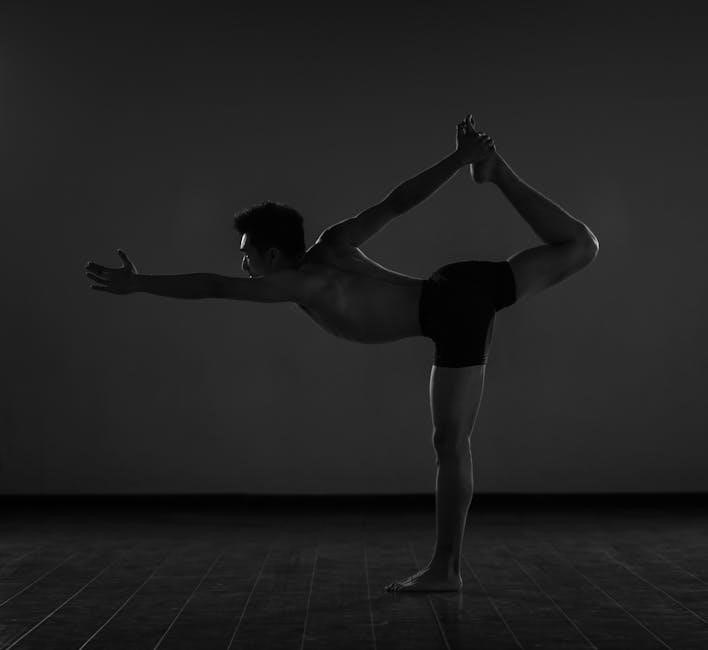
When utilizing a Hatha yoga sequence PDF, prioritize safety above all else․ Always listen to your body and avoid pushing yourself beyond your limits․ Modifications are crucial, especially for beginners or individuals with injuries․ Use props like blocks, straps, or blankets to support your alignment and deepen poses safely․
Be mindful of proper form to prevent strain or injury; if unsure, consult a qualified yoga instructor․ Avoid poses that cause pain, and don’t hesitate to rest when needed․ Individuals with pre-existing conditions should seek medical advice before starting any new yoga practice․ Remember, a safe and mindful approach ensures a positive and beneficial experience, allowing you to reap the rewards of Hatha yoga without risk․