
Understanding NHS Blood Pressure Recording Charts
NHS resources offer printable charts for consistent tracking, aiding both patients and healthcare professionals in monitoring vital signs effectively over time.
What is a Blood Pressure Recording Chart?
A blood pressure recording chart is a systematic tool used to document blood pressure readings over a period. NHS charts, often available as printable PDFs, typically include columns for date, time, systolic and diastolic measurements, pulse rate, and notes.
These charts aren’t just simple logs; they are crucial for identifying trends and patterns in an individual’s blood pressure. Regular monitoring, facilitated by these charts, allows for early detection of hypertension or hypotension. Consistent recording provides valuable data for healthcare providers to assess treatment effectiveness and adjust medication accordingly, ensuring optimal patient care.

Why is Regular Blood Pressure Monitoring Important?
Regular blood pressure monitoring is vital for proactive health management. NHS guidelines emphasize consistent checks, often aided by printable charts, to detect hypertension – a major risk factor for heart disease, stroke, and kidney problems.
Early identification allows for lifestyle changes or medical intervention, preventing serious complications. Monitoring also helps assess the effectiveness of treatments and ensures blood pressure remains within a healthy range. Utilizing a chart facilitates tracking trends, providing a comprehensive overview for both individuals and their healthcare providers, ultimately promoting better cardiovascular health.

Types of NHS Blood Pressure Charts
NHS charts vary, including manual paper versions, automated options integrated with monitoring devices, and increasingly, convenient digital logs via apps and online platforms.
Manual Blood Pressure Charts
Traditional NHS blood pressure charts are typically printable PDFs, designed for hand-written recording of measurements taken with a sphygmomanometer. These charts often feature columns for date, time, systolic and diastolic readings, pulse rate, and a notes section for observations.
They offer a simple, low-tech solution for monitoring, requiring no digital devices. However, manual recording relies on accurate transcription and can be prone to human error. Consistent use and careful attention to detail are crucial when utilizing these charts. Many GP practices readily provide these printable charts to patients for home monitoring, promoting proactive health management.
Automated Blood Pressure Charts
While fully automated printable charts are less common from the NHS, many downloadable templates are designed to be used with automated blood pressure monitors. These charts often include pre-formatted spaces for digitally recorded readings, minimizing transcription errors.
They streamline the logging process, allowing for quicker and more accurate data collection. Some templates integrate with spreadsheet software for easy analysis of trends. However, it’s vital to ensure the monitor is validated and used correctly for reliable results. These charts support efficient tracking and informed discussions with healthcare providers.
Digital Blood Pressure Logs (Apps & Online Tools)
The NHS increasingly supports digital health solutions, including blood pressure monitoring apps and online tools; These offer convenient alternatives to traditional printable charts, automatically recording and graphing readings over time.
Many apps allow easy sharing of data with GPs, facilitating remote monitoring and proactive care. While not strictly printable charts, they provide a digital record accessible on smartphones and computers. Ensure any app used complies with data privacy regulations and is recommended by a healthcare professional for optimal benefit and accuracy.
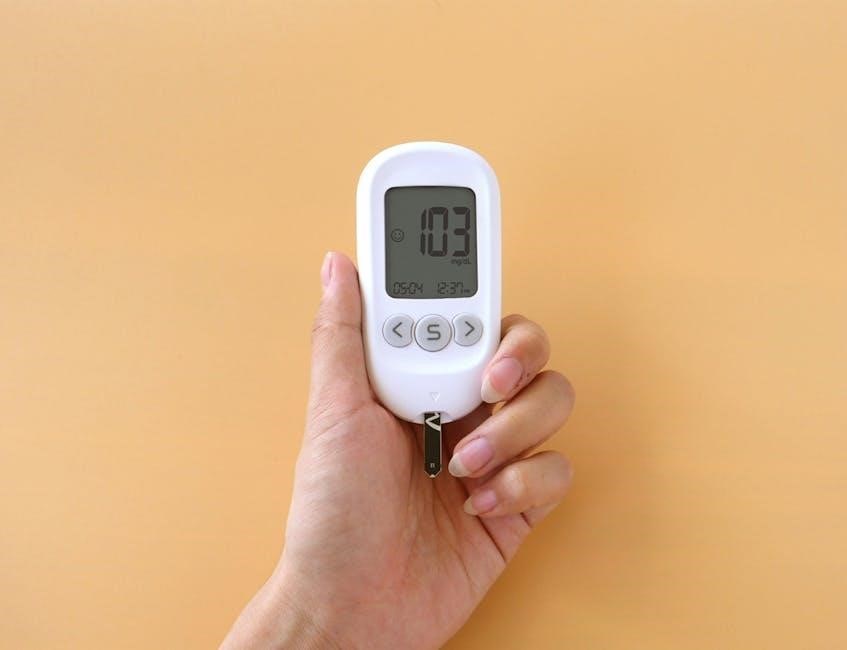
Key Components of a Printable NHS Blood Pressure Chart
Essential elements include spaces for date, time, systolic/diastolic readings, pulse, and notes, enabling comprehensive tracking and informed discussions with healthcare providers.
Date and Time of Measurement
Accurate dating and timing are crucial for identifying patterns and trends in blood pressure fluctuations. A printable NHS chart prominently features dedicated sections for recording both the date and precise time of each measurement. This detail allows healthcare professionals to correlate readings with daily activities, medication schedules, and potential influencing factors like stress or diet.
Consistent recording practices, noting the time alongside the date, provide a more complete picture of an individual’s cardiovascular health. This granular data is invaluable when assessing the effectiveness of treatment plans or identifying potential triggers for blood pressure variations.
Systolic and Diastolic Readings
A standard NHS blood pressure chart includes clearly defined spaces for recording both systolic and diastolic values. Systolic pressure, the higher number, reflects the force when the heart beats, while diastolic, the lower number, measures pressure between beats. Accurate recording of both is essential for a comprehensive assessment.
Printable charts often feature columns specifically labeled for each reading, minimizing errors. Healthcare providers use these values to categorize blood pressure levels and determine appropriate interventions. Consistent tracking of both systolic and diastolic readings provides a holistic view of cardiovascular health.
Pulse Rate Recording
Alongside blood pressure, NHS charts dedicate space for recording pulse rate, measured in beats per minute (BPM). This vital sign indicates the heart’s efficiency and rhythm, offering valuable context to blood pressure readings. A normal resting pulse rate generally falls between 60-100 BPM, though this can vary.
Printable charts typically include a column for pulse rate, allowing for simultaneous tracking. Deviations from the normal range can signal underlying health concerns, prompting further investigation. Combining pulse rate data with blood pressure provides a more complete cardiovascular profile for effective monitoring.
Space for Notes & Observations
Effective NHS blood pressure charts include a dedicated section for notes and observations, crucial for contextualizing readings. This area allows recording factors potentially influencing blood pressure, such as medication changes, stress levels, physical activity, or dietary adjustments.
Detailed notes help healthcare providers identify patterns and understand individual variations. Documenting any symptoms experienced during measurement – like dizziness or headaches – is also vital. This comprehensive approach enhances the chart’s value, facilitating informed clinical decisions and personalized care plans.
How to Accurately Record Your Blood Pressure
Consistent, correct technique is key; follow NHS guidelines for proper cuff placement, posture, and timing to ensure reliable readings on your printable chart.
Preparing for Measurement
Before recording, ensure a calm environment. Avoid caffeine, exercise, and smoking for at least 30 minutes, as these can elevate readings. Empty your bladder, and rest quietly for five minutes with your back supported and feet flat on the floor.
Choose a quiet room and ensure comfortable temperature. Wear loose-fitting clothing, exposing your upper arm. Review the instructions accompanying your NHS printable blood pressure chart and home monitor for specific preparation steps. Accurate preparation significantly impacts the reliability of your recorded data, aiding effective health management.
Correct Positioning During Measurement
Sit with your back supported, feet flat on the floor, and legs uncrossed. Your arm should be supported at heart level – use a pillow if needed. Ensure your elbow is bent comfortably and your palm faces upwards.
Avoid talking or moving during the measurement. The cuff should be placed snugly on your upper arm, about an inch above your elbow. Following these positioning guidelines, alongside your NHS printable blood pressure chart, ensures accurate readings for effective monitoring and informed healthcare decisions.
Using a Home Blood Pressure Monitor
Select a validated monitor, ensuring it fits your arm size correctly. Follow the manufacturer’s instructions carefully for proper cuff placement and operation. Take measurements at the same time each day, ideally in the morning before medication or caffeine.
Record your readings consistently on your NHS printable blood pressure chart. Multiple readings are recommended, averaging them for a more accurate representation. Regular home monitoring empowers you to track trends and share valuable data with your healthcare provider.
Interpreting Your Blood Pressure Readings

Consistent charting reveals patterns; understanding normal ranges, hypertension, and hypotension is crucial for proactive health management and informed discussions with your doctor.
Understanding Normal Blood Pressure Ranges
Optimal blood pressure typically falls below 120/80 mmHg, indicating healthy cardiovascular function. Elevated readings require attention, but occasional fluctuations are common.
NHS guidelines categorize blood pressure into stages: normal, elevated, stage 1 hypertension, and stage 2 hypertension, each with increasing risk levels.
Regular monitoring using a printable chart helps establish a baseline and identify deviations from your personal norm.
Understanding these ranges empowers you to proactively manage your health and discuss any concerns with your healthcare provider, leading to timely interventions if needed.
Identifying High Blood Pressure (Hypertension)
Hypertension is diagnosed when readings consistently exceed 140/90 mmHg, requiring medical evaluation and potential treatment. Utilizing a printable NHS blood pressure chart is crucial for tracking trends.
Stage 1 hypertension is 130-139/80-89 mmHg, while stage 2 is 140/90 mmHg or higher, indicating a greater risk of cardiovascular complications.
Consistent high readings, documented on your chart, signal a need to consult your GP.
Early detection and management are vital to prevent serious health issues like heart disease and stroke; regular monitoring is key.
Recognizing Low Blood Pressure (Hypotension)
Hypotension is generally defined as readings below 90/60 mmHg, though symptoms and individual baselines are important considerations. A printable NHS blood pressure chart helps identify consistently low readings.
Symptoms can include dizziness, fainting, blurred vision, and nausea, often worsening when standing quickly;
While not always a concern, persistent hypotension requires investigation, especially if accompanied by these symptoms.
Documenting low readings on your chart aids your doctor in assessing your overall health and determining appropriate action.

Accessing NHS Printable Blood Pressure Charts
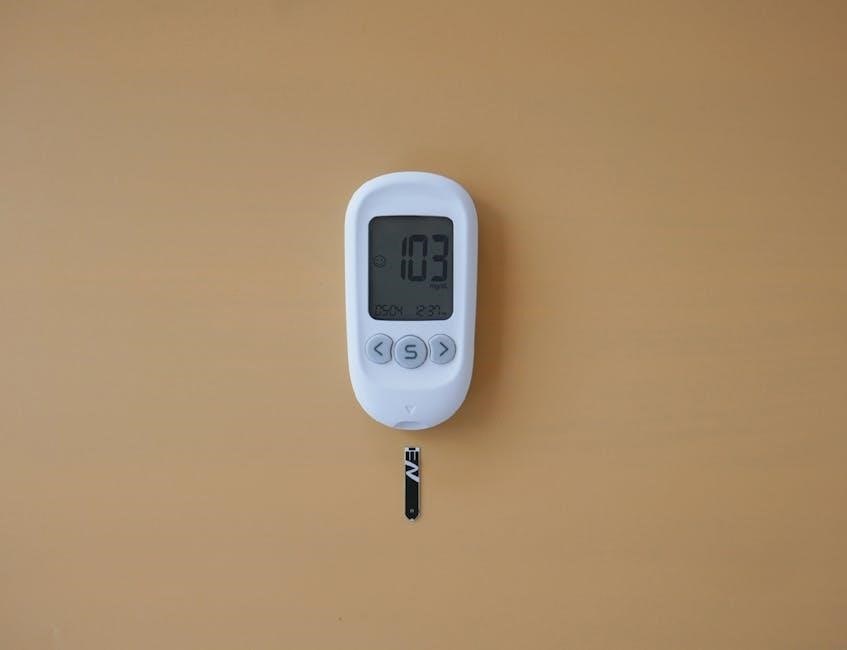
Numerous PDF charts are readily available through the official NHS website, GP practices, and various online sources for convenient download.
NHS Website Resources
The NHS website serves as a primary hub for accessing a variety of health-related resources, including printable blood pressure monitoring charts. Searching directly on the NHS website using keywords like “blood pressure chart” or “blood pressure record” will yield downloadable PDF templates.
These charts are often designed for ease of use, featuring clear sections for recording date, time, systolic and diastolic readings, pulse rate, and any relevant notes.
The NHS emphasizes self-monitoring as a valuable tool for managing hypertension and provides these resources to empower patients to actively participate in their healthcare. Regularly checking the NHS website ensures access to the most up-to-date versions of these charts.
GP Practice Availability
Many GP practices proactively offer physical copies of NHS blood pressure recording charts to their registered patients. These charts are typically available upon request during appointments or can be obtained from the practice reception desk.
Your GP can also provide guidance on the correct method for measuring blood pressure at home and interpreting the readings accurately.
Furthermore, some practices may offer digital blood pressure monitoring services or direct patients to reliable online resources, including printable charts, complementing their in-house support.
Online Downloadable Templates
Numerous websites host printable NHS-style blood pressure charts in PDF format, offering convenient access for home monitoring. A quick online search using keywords like “printable blood pressure chart NHS” yields several options.
Ensure the template aligns with NHS guidelines, featuring sections for date, time, systolic/diastolic readings, pulse rate, and notes.
Always download from reputable sources to avoid potentially inaccurate or misleading charts; verifying the source’s credibility is crucial for reliable health tracking.

Using the Chart with Your Healthcare Provider
Regularly sharing your completed chart provides valuable insights, enabling informed discussions about your blood pressure management and potential adjustments to treatment.
Sharing Your Records
Bringing your completed NHS blood pressure recording chart to appointments is crucial for effective healthcare. This detailed log provides your doctor with a comprehensive overview of your blood pressure fluctuations over time, far exceeding what a single in-clinic reading can reveal. Consistent records help identify patterns, assess treatment effectiveness, and pinpoint potential issues.
Consider utilizing digital options – apps or online logs – for easy sharing via secure patient portals. Accurate and readily available data empowers both you and your healthcare provider to collaboratively manage your cardiovascular health, leading to more personalized and proactive care strategies.
Discussing Trends and Concerns
Reviewing your blood pressure chart with your doctor is paramount; don’t hesitate to voice any anxieties. Identify consistent high or low readings, or significant variations, and discuss potential causes. Your chart isn’t just numbers – it’s a visual representation of your health journey.
Bring up lifestyle factors that might influence readings, like diet, exercise, or stress. Open communication allows for adjustments to medication or lifestyle interventions, ensuring optimal blood pressure control and minimizing cardiovascular risks. Proactive discussion empowers you to take charge of your wellbeing.